 I will trekking in the rocky mountains this summer. flying in to Denver, spending a few days walking in yellowstone before two weeks on the continental divide trail. Anyway having never really travelled outside of the UK before (and doing most of my walking in Scotland in winter). I was wondering what the climate/weather is likely to be and what gear you would recommend taking/wearing, as I have a feeling my current outdoor clothing will be a little inapropriate. (sorry if this is supposed to be in the gear section)
|
 |
 My experience of summer weather in the Rocky Mountains is that it's pretty much like being in Scotland in summer. In other words, it might be hot and sunny. It might be cold and wet. It might even snow on the highest summits, which all top out above 14,000ft. Also, note that afternoon thunderstorms are quite common. Start early, get down from the summits as quickly as you can, and be ready with your waterproofs. Given that you often start climbing from points above 10,000ft, it's a bit like climbing the Munros, but obviously, the air is a bit thinner up there so you have to take it slow and steady until you acclimatise. Denver itself is a mile above sea level! Take whatever clothing you'd take to cope with British upland weather, which will be less than what you'd take for walking in Scotland in winter. Also, bear in mind that summer changes to winter very suddenly in the Rocky Mountains. If you're planning to be there late in the summer, then you might well want all that winter kit of yours!
|
| Edited: 22/03/09 14:14 |
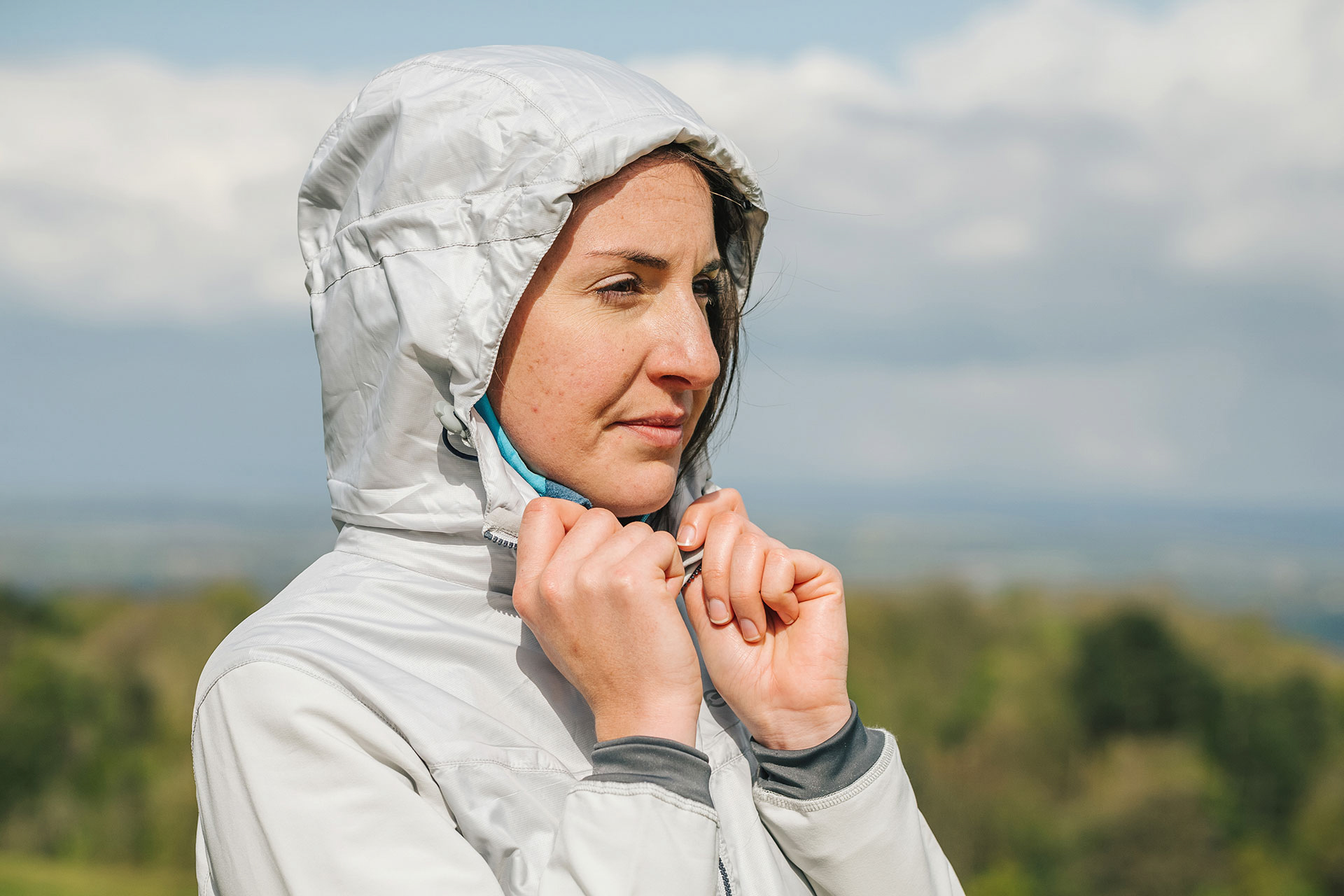
 It really depends which bit of the Rockies you're visiting. The Colorado Rockies are warmer and drier than the Northern Rockies. Yellowstone is a huge plateau around 8-9,000 feet. Most of the time you'll be walking in forest there. Which bit of the Continental Divide Trail will you be hiking? It can be below freezing at night so I'd take an insulated garment as well as UK summer hillwalking clothing. Such a garment is especially useful in areas like Yellowstone where you shouldn't cook, eat or store food anywhere near where you sleep because of the bears. For the same reason I'd carry a light tarp to set up as a kitchen shelter when it's raining.
|
 |
 If you're going to be in Rocky Mountains National Park, I'd suggest a base somewhere around Estes Park. Daytime temperatures in mid summer are going to be between 20 and 25 degrees in the valleys but expect thunderstorms in the afternoon pretty much every day. Above 11,000 ft expect some lying snow - it usually only clears for about a month a year. With the warm temperatures and high humidity I found lightweight trekking trousers and a wickable T shirt worked best most of the time, with more insulation for night time. Here's a good reference for temperatures around Estes Park - but remember this is at 7500ft and if you're doing Longs Peak or any of the other Front Range 14,000 ers you'll need to take account of the extra 6500 ft. HTH
|
 |
 Colorado Rockys in summer
|
 |
 I'll be going for most of August, Thanks for the advice and quick replies!
|
 |
 I'd have thought mossies would be a bit of an issue in August? It can be handy finding an online discussion group (forum) of local hikers and ask questions -- our US friends are incredibly helpful and friendly and will point you to the good places to go, spots to avoid, give local advice etc etc. I got *tons* of help from the folks at http://www.nwhikers.net/ when I went to WA a couple of years ago to section hike some of the PCT.
|
 |
 Mosquitoes are at their worst soon after the spring snowmelt and should be mostly gone by August, except perhaps in low lying damp areas. I've backpacked in different parts of the Rockies in August and haven't had problems with mosquitoes. Early July is a different matter! Chris's suggestion of asking for local advice is a good idea. For Rocky Mountain National Park there are forums here. A friend of mine, Igloo Ed, often posts there about his winter adventures so I've looked at it a few times and I think it's pretty good. For Yellowstone there are forums here. I'm not familiar with them but Yellowstone.net is a great site. And for the Continental Divide Trail there's this website.
|
 |
  Welcome to OM forum there bluespider.
|
 |
 I've never had Mossie problems in August or September either. Don't forget you'll need to apply for your "Backcountry Pass" if you intend camping at any of the permitted wild camp spots. You'll get advice from the National Park Vistor Centre regarding keeping food etc away from bears, but watch out for Marmots too - they love anything with salt in (so pee away from your tent). I found GORP very usefull the first couple of times I went.
|
 |
That's a lot of good advice you've received; probably the best you'll get from any web forum. Dave's right about Estes Park. it's a great centre and pretty civilised. The highest road in the Rockies starts from there and if you do go there, check out the Stanley Hotel for a coffee. Built by the Stanley Steamer family, (that's steam or external combustion engined cars), it's been a landmark for generations of Rocky Mountain lovers. Their original name by the way was the "Stony Mountains" , don't know when they changed to Rocky. Oh yes, the Stanley Hotel was where the internal scenes for "The Shining" were shot. Rivers of blood and all that. When I stayed there, several years ago they still used a steam driven bus to collect guests from the bus station. These cars held all the world speed records in the early decades of the 2oth century. Take the warnings seriously about afternoon storms. I've only been in September and seen some humdingers whip up from nowhere. I'd imagine August would have more. If you intend to move around a bit, consider Boulder, a bit further South. Very attractive small town and good access to Arapahoe NP. A very wild area and not nearly so busy as further North. You'll have a great time in a wonderful country.
|
 |