YES, if you get it wet then its practicaly useless but you should never be using a down jacket when its raining anyway, it does need a bit of extra care when washing and storing but you pay alot of money for your kit so you should atleast look after it. I use a rab glacier down jacket for the winter when I might be bivving or camping out especially when high up in the mountains. Theres nothing better than putting up the tent or getting out your bivvy bag while you wear your down jacket, this is afterall when most of your heat is lost after activity like walking up the hill, also does nicely when your reluctant to get out your down bag in the morning!!!
I have had my down jacket and down bag for almost ten years and both are still in great condition, a truely great investment.
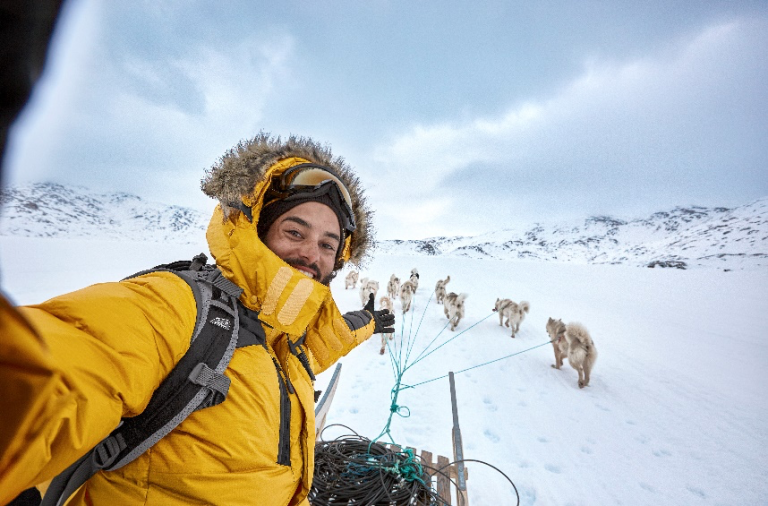
By the way, my picture is me wearing my down jacket just below the summit of Ben Dorain on a very cold january morning after bivvy out, toasty!
Never really seen the point of down if you're in the UK and are into year round hiking 'n' stuff - the cons re: performance when it gets wet far outway the warmth to weight ratio benefits in my humble opinion.
Synthy stuff is getting better all the time as well I think
Oh and the ability to just throw a synthetic belay jacket on when its really grim, cold and wet is just wondeful!
Have to agee with Phil here. I have a ME Lightline for climbing and on dry days at a crag its brilliant to throw on after a pitch. but the versatility of modern synthetic jackets means when in the UK I wouldnt go anywhere without it. Purely due to not being able to garantee the weather. Especially now they are starting to be available in different thicknesses to rival down fill power. Jackets like the Paramo torres and the Berghaus infinity light.
I know that even if i am caught in some nasty rain unexpected my primaloft will keep an element of warmth whilst i either get undercover or overlayer with a waterproof. The same cant be said for my Lightline unfortunately.
If you are continuously active (i.e walking or scrambling) you can keep warm using layered fleece and shell jacket if it warm enough to be raining or sleeting (i.e. -1C or warmer). If it gets colder, then down is OK to use as anything coming out of the sky will be snow, not rain, so the down won't get wet. Therefore I generally layer up with fleece, but carry a lightweight down jacket in case it gets colder. As I will often carry the jacket for several days without it getting cold enough to need me to wear it, then the light weight and small pack size of a down jacket wins over synthetics. However I do also carry a Gore-Tex bivi bag in winter, so if I am static in wetter non-freezing weather I can use that to create a dry environment and wear the down jacket inside it.
One other issue with all these jackets is that they don't work well with rucsacs - the jacket is warm due to the air trapped within the jacket, so when you put a heavy rucsac on and compress the jacket it doesn't work! Probably better to use fleece which doesn't compress as much (unless it is really cold in which case use both!).
Of course if you are climbing (long periods of static belaying) then you may get cold in wetter non-freezing weather, so down will not be best. So in temperatures around but not below freezing a more waterresistant synthetic insulation layer which can be quickly pulled on over a shell jacket is probably better.
One other thing...down fibres withstand multiple compressions much better than synthetics which can break down, so your down jacket will last longer if cared for properly.
As said in the article it depends on what you are doing - neither is better for all uses in all conditions
It's 2 or 3C, raining/sleeting, with a 20mph wind and I'm on the top of a 2,300ft hill in the North Pennines, with no shelter for miles. I want to stop and have a look at the map, and maybe have a hot drink. Do I want to take off my waterproof jacket, so losing heat and getting wet, and then race to get one or more bulky fleeces on before they get so damp they lose a lot of their insulating value, knowing that I'll have to reverse the process when I get moving again? No, I'd rather put a lighter and more compact jacket with synthetic fill over my waterproofs, then take it off when I need to.
"Feel free to disagree" It's 2 or 3C, raining/sleeting, with a 20mph wind and I'm on the top of a 2,300ft hill in the North Pennines, with no shelter for miles. I want to stop and have a look at the map, and maybe have a hot drink.
Yes, exactly.
I've got a lightweight synthetic jacket and I'm thinking of getting something heavier and warmer for scottish trips. It's not something to wear all day while hiking uphill in subzero temperatures, it's something to stick on when it's cold (but not freezing), wet, and windy and you want to stop - for lunch or to faff with crampons or a rope or in an emergency if someone twists an ankle or something. Hence it's pretty much essential for me to have something that can survive if it's raining, and I don't care about compression under a rucksack because I won't normally be carrying a rucksack while wearing it.
In an ideal world I'd also have a big warm down jacket for taking out when it's really cold, but at the moment the number of days out I get when I'm confident that it's going to be cold and dry all day doesn't justify the expense.
To put it another way, the reason I tend to want a belay jacket type thing isn't how cold it is in absolute terms, it's how cold I am when I'm stopped relative to how cold I am when I'm moving. I'll throw it on for a longish break even if I've just been wearing a hardshell over a baselayer to go uphill and have a spare fleece in my bag...
Hence I quite often want something insulated when it's warm enough to rain.