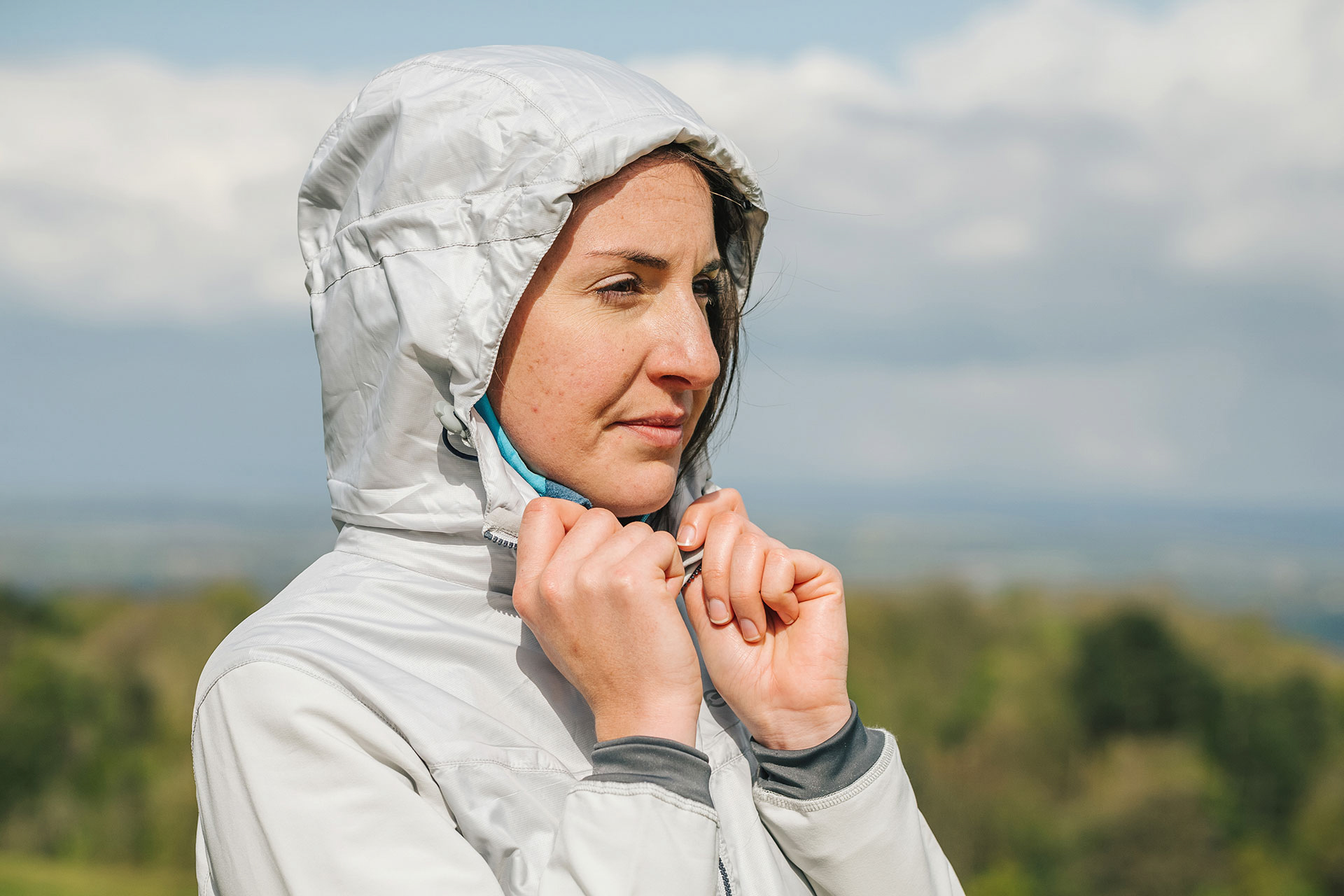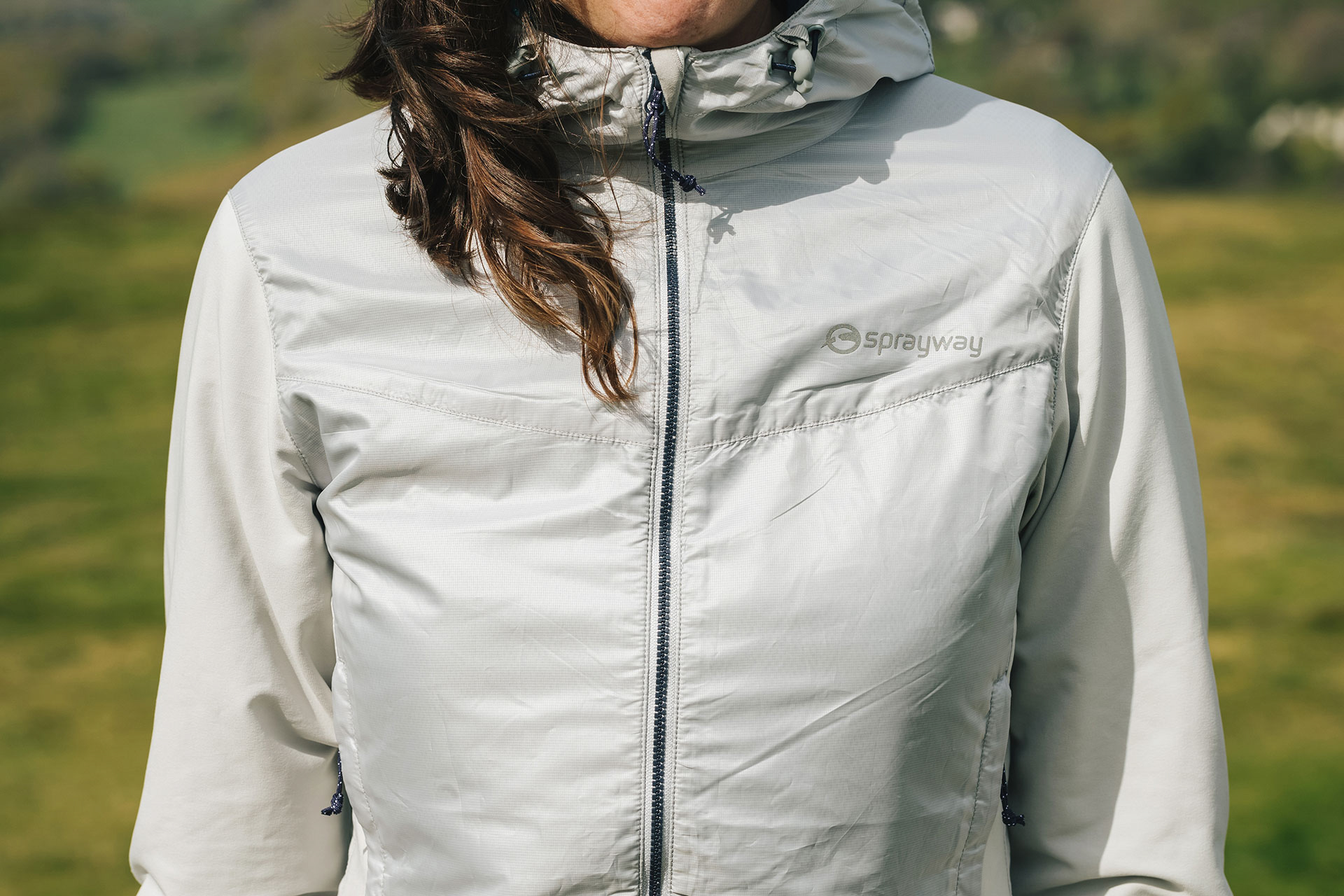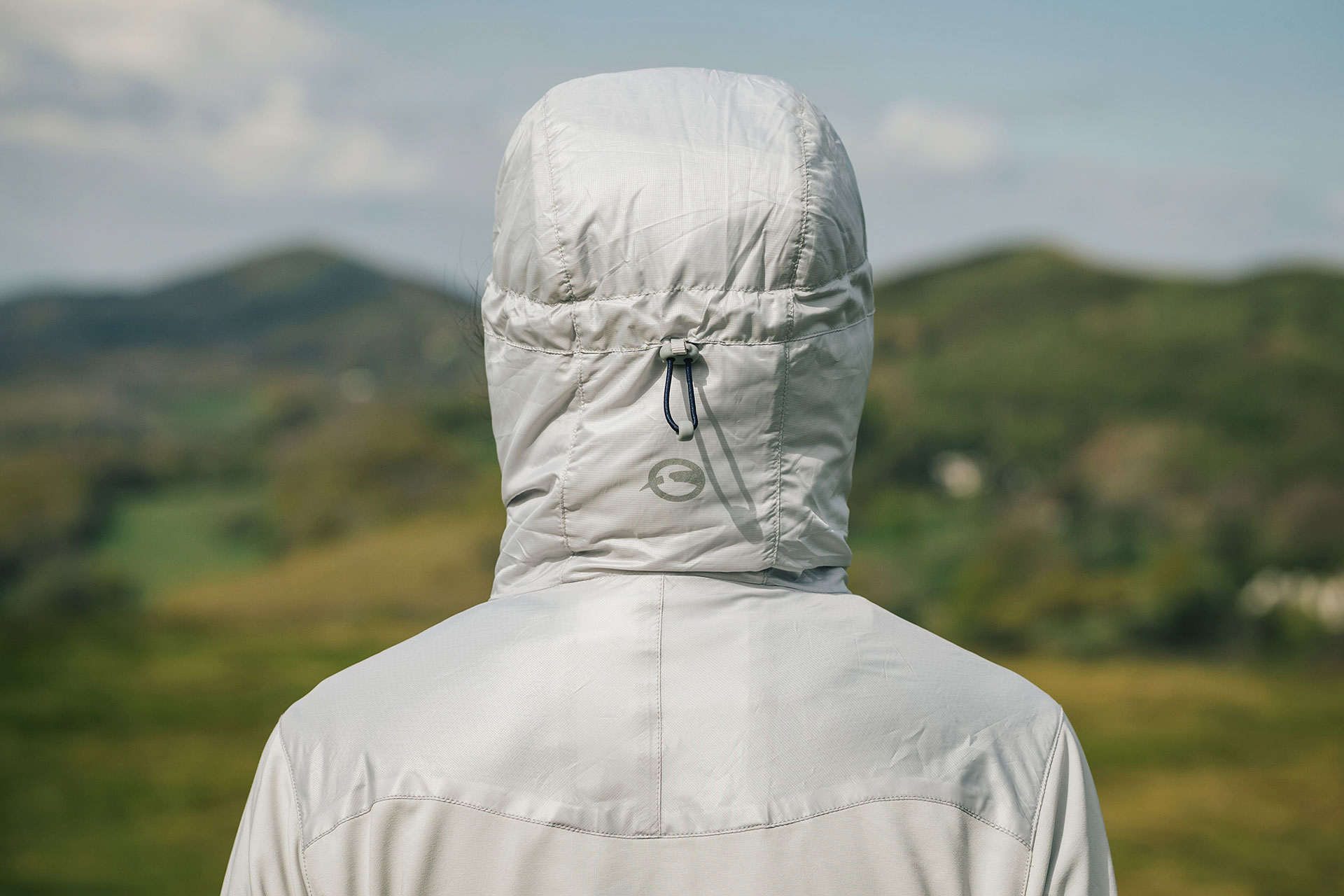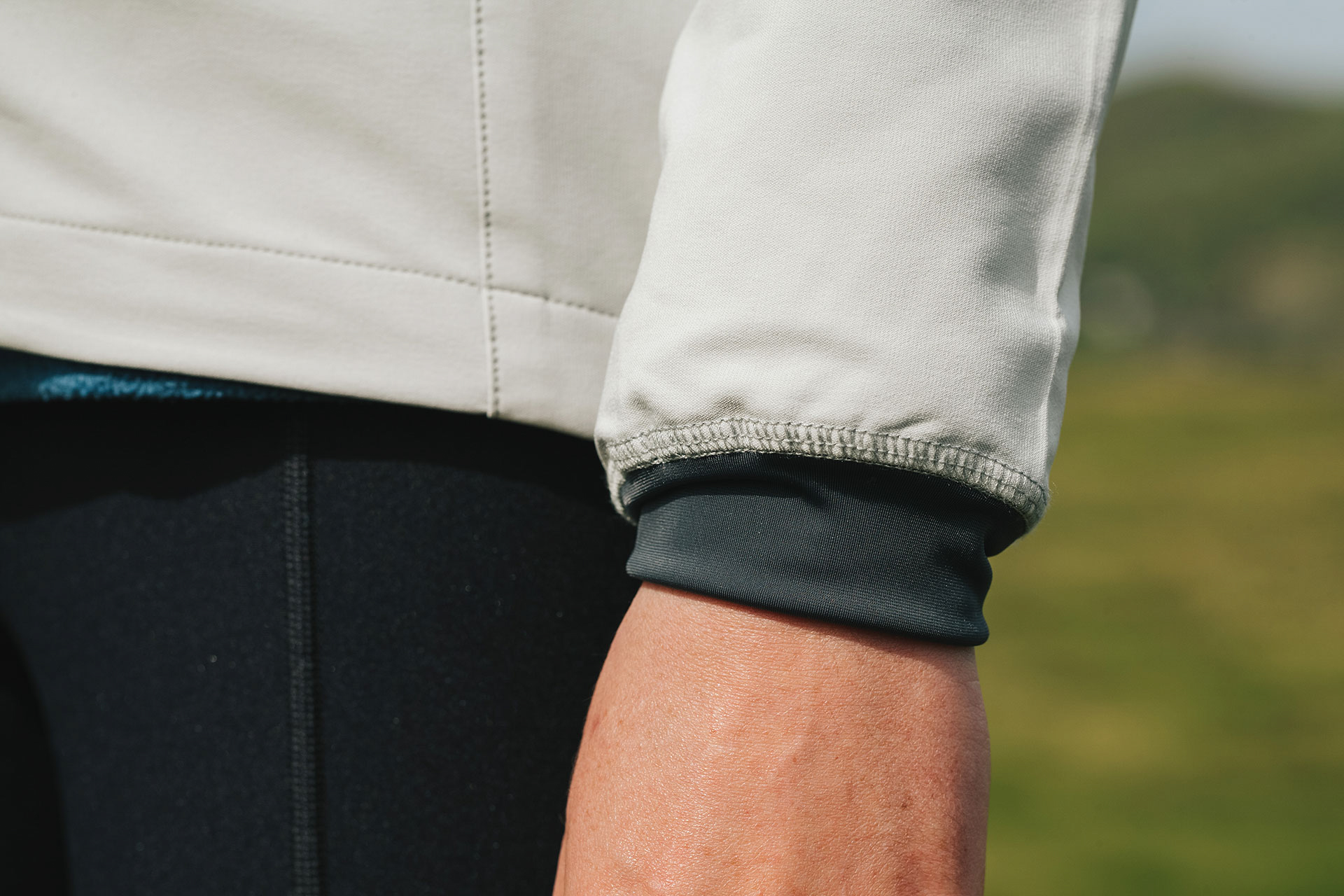
 I'm considering getting a softshell to go over a merino baselayer & backed up with a light eVent shell jacket. If not using Paramo top & bottom I usually use a microfleece or primaloft top (prism) over a base layer with the waterproof over when needed. I'm considering the softshell as it looks like it may be more comfortable than my usual system in high wind & showery conditions ie avoid the shell a lot of the time unless the rain gets really heavy. I'll be using mostly for multi-day trips so if it gets wet it's got to go in the tent & be used the next day I don't know anyone who uses a softshell. Do they hold much water as they get wet? When do you add the shell - when the rain starts to come through? Do they retain a lot of warmth when they get wet? Do they dry out pretty quickly - if I leave it on in the tent for an hour will it still keep me warm & dry out? What about legwear? I reckon softshell would be too hot for me. I used to find the Rohan helenca breeks a bit warm. If not in Cascada's I usually wear Montane Terra pants or similar with Rab Bergen OT's when req'd. Any trews that are more water resistant but not too hot - softshell lite for legs? I'm looking at a Montane Sabretooth for the top - legs, no idea! The plan is for the Paramo to be relegated to very cold winter day use rather than for backpacking.
|
| Edited: 01/02/12 00:15 |
Sounds like a Pertex windshirt (a sort of softshell) would be perfect for you. Worn over either a base layer or base layer and microfleece they are perfect for cutting out the wind, as the name would suggest. Also much lighter and cheaper than decent quality woven or membrane-based softshells.
|
 |
 I've recently purchased a Haglofs Fang Jacket, a really nice softshell. I've not used it loads maybe 3 or 4 times but I'm very impressed. Apart from a buffalo (kind of softshell) I've never had one before. What I have discovered so far is that it is a very versatile jacket, can be worn on most days instead of a fleece. I've not actually worn my hard shell over it yet as it is very waterproof. I wore it for a horrendous day up Pen Yr Ole Wen, 50-70 mph wind and LOTS of rain. The jacket performed really really well, however, when I got back to the bunkhouse and hung up the jacket, it was still sodden the next morning. Next time I'll put my hard shell on in such conditions.
|
 |
 Well (being windstopper) its basically a shell jacket that, but with untaped seams  For multi day trips you'll be carrying the thing a fair bit so some sort of light windshirt definetly very much suggested. They're easily the most versatile for year round anyway. As you'd expect - with them being a very thin layer of nylon/poly they just don't hold water. Some warmth when wet underneath with the wind chill stopped.
|
 |
 I don't know anyone who uses a softshell. Do they hold much water as they get wet? The problem with this qusetion is that "soft shell" means a lot of different things, so the answers to that sort of thing are highly variable. A Buffalo Special 6 shirt will hold a lot more water than a Buffalo Teclite shirt, which in turn will hold more than a Patti Ready Mix which in turn will hold more than a Montane Featherlite. All are (arguably) "soft shell". So what is it? "Hard shell" will keep out all wind and all rain. "No shell" makes no particular attempt to keep out either, and "soft shell" fills the spectrum in between. "No shell" will keep off a bit of wind and driech but only incidentally, soft whell should have some design effort at keeping out some inclement weather, butthe exercise is a compromise. The more you keep out the less comfortable it is in easier conditions, so the game is to pick the compromise point that suits you. What about legwear? I reckon softshell would be too hot for me. I used to find the Rohan helenca breeks a bit warm. The original Superstriders were pretty chunky. I used the salopette version for winter climbing and I still use them for downhill skiing. Winter weight and uber-toasty, but current SS trews (including Rohan's own) are made of rather thinner material. Lighter and more comfortable (unless it's bloody cold, that is) they're excellent outside of summer IME. The stretch means the cut can be closer so there's no need for baggy cuts that catch wind, rain and mud and rustle with every step, and being closer to your legs means they dry quicker too. IMHO stretch soft shell is the ideallegwear for hills outside of summer (when I'll be in shorts or Tracksters). I use ME's Schoeller Dryskin flavour which are cut okay for me, but there's no shortage of choice these days. SS legwear is most usually unlined stretch weave with significant but not complete windproofing. Tops are much more varied: they may or may not stretch, may or may not be lined, amy or may not be hooded etc. The degree to which these are important will vary from user to user. Stretch can be nice but less important than in trews because your trunk moves much less than your legs, and all else being equal stretch fabrics tend to be a bit heavier (when they stretch they get thinner, so they have to be a bit thicker to start with). And so on and on. I have a selection of SS tops: which one I take will depend upon the conditions, because they affect the compromises I'll want to take. Pete.
|
 |
 I started using softshells last spring and I must say I am convinced. I use my softshell jacket a lot more than my hard shell as it keeps out the wind which tends to be the biggest problem. It will keep out the rain for a little while, but anything but light showers and I would be putting on my hard shell. Unfortunately, once they are wet they take a while to dry out I find. I use my softshell all year around and I just vary what I wear as a baselayer. I run very hot and it is a lot more breathable than a hard shell so you just need something warm to put over it when you stop. I got some mammut base jump advanced soft shell trousers this autumn and I use them for everything from hiking to climbing. Very stretchy, very durable, keeps the wind out and they don't make you super hot. As a matter of fact if I was going up in snow and really cold conditions I would stick on a thick marino baselayer and then some overpants over that to make them warm enough. Good flexible system that you can vary depending on how hard your work-out is. I must admit I was not convinced about the softshell thing until I tried it on I must admit, but now I always have it. In the summer in the alps I take that over a hardshell. Never tried the windshirts so can't say if they are better.
|
 |
 Never tried the windshirts so can't say if they are better. They're different, at a different point along the spectrum of compromise between hard shell and no shell. If all you want to do is keep out the wind with a minimum of extra features (which add weight) then wind shirts are the way to go. If you want to do more then other choices may be better. Pete.
|
 |
 Thanks for that clarificaltion Pete. Any suggestions for the windshirts? Rohan? 
|
| Edited: 01/02/12 11:43 |
 Depends You can go all the way from super minimal ~75-100g pullovers to ~200g things with hoods, slightly tougher fabrics, hoods etc. (see Montanes numerous options say.). Worth deciding what you'd prefer on that scale before checking for actual things. If weight isn't critical then maybe worth microlight sort of material weight on durability grounds. Lots of people doing all of these styles though so once thats fixed whatever fits.
|
 |
 Any suggestions for the windshirts? Rohan?  I would have suggested the Windshadow jacket as a possibility but it seems to have fallen off their web site. Whether it's gone or awaiting the Spring range to be unleasehed in New! Improved! colours I don't know... I'd agree with Martin that you need to decide whether to be a weight weenie or if you like stuff like hoods and full front zips and pockets. I have and use both flavours, so it's not necessarily an exclusive choice.
|
 |
 I have a Rab Boreas, does that fall into any of the categories for windshirts? Just to know if I have something to compare with.
|
 |
I find the softshell trousers much more satisfactory than the tops, somehow. There seems more benefit from the stretch most have, and they don't get as clammy as some tops cos my legs don't sweat as much. Also good for resisting snags.
|
 |
 Boreas sort of ummmm different? About 100g heavier than say a light speed (for the hood) and less wind and shower resistance with it. But also - due to the lower air resistance - more comfortable to wear in milder conditions etc. (I don't think they've got a DWR by default? Certainly no one would call a classical wind shirt slow drying ) To be honest if the weight doesn't bother you (and 260g hardly extreme), and you're happy with the protection its giving, then could well not be a compelling reason to go otherwise.
|
 |
 The sort of fabric typically used in SS trews is, IMHO, better suited to trews than to jackets and tops. There again, quite a few things used in SS tops are better suited to tops than trousers (Pertex Quantum, for example). Pete.
|
 |
 Soft shell in the sense that you're thinking of (judging by your choice of the Montane Sabretooth, made of Powershield) is a stretchy fabric with a fuzzy backing that offers good windproofing and moderate waterproofing. It works best when it is cold and dry and you're working hard. In wet weather it won't be nearly so useful. It'll take longer to dry than a fleece and it won't keep out rain for long... you'll need the shell anyway, and you don't really want to be chucking a hard shell over soggy layers. You'll end up with most of the inconveniences of your current system, but with a heavier and more expensive mid that'll take longer to dry. Powershield might not be quite as warm as Paramo, but it'll be in that ballpark. You can get plain 'stretch weave' softshells which aren't nearly so warm (eg. Rab Exodus, Haglofs Boiga) which will be a little more practical in warmer temperatures, but they're still not ideal layers for a maritime climate. I use my Exodus for skiing; it works very well for that. Still use the old microfleece/windshell/hardshell or paramo gear when hiking in the UK though.
|
 |
you do not really want to get a softshell wet (unless you are going the pile/ pertex route), the point about a softshell is its not waterproof, but rather its windproof so you can sweat and not feel clammy - they can normally shrug of a little light rainfall, but you take a hardshell to wear when its proper raining, not use your softshell - unless you want to try neoshell which is taken the softshell breathability / waterproofness to its limit.
|
 |
 Thanks everyone. I'll stick with what's worked for me in the past. In light of what's been said I reckon what I use will work better for me. i do use a windshirt (litespeed) over a base layer or the microfleece but never considered that as a soft shell solution! I've just bought another thin fleece & a softshell 2nd hand from OM classifieds for half what the Sabretooth would have set me back. The fleece will just fit in with what I use already & I'll use the softshell as a car coat, dog walking & very likely for skiing & get a feel for softshell proper. Thanks again - softshell theory passed me by although it seems to be widely used.
|
 |