I have been looking at getting an eVent Jacket such as the Evolution as I need a waterproof jacket for when I'm out and about in this country in the Lakes, Wales and Scotland etc. I run really warm and I can't stand too much condensation build up, that's why I will probably opt for eVent Evolution or similar very soon.
The dilema I have at the moment though is that I may be going on holiday for 25 days in March to Cape Verde and travelling around the different islands.
The temperature is usually between 72f and 81f (22 and 27c), though it can get down to 50f (10c) up in the montains.
The islands are VERY windy. I've been reading about gale force winds of 3 and 4 being common and 5 and 6 every so often. There is virtually no rain whatsoever except in a few months starting in late summer (Aug - Oct) when a stack load comes down. Sometimes though there are droughts and no rain for many years. They also get sand blown over from the Sahara and a fair bit of haze. Will have to take plenty of water with me wherever I go.
The question I'm asking - do windproof jackets offer a lot more breathability than ones that are both windproof and waterproof to a large extent e.g. eVent jackets and Gore Pro Shell?
I am thinking that given the time of year I'm going there I may only need a cheapish windproof jacket?
What windproof jackets do you recommend and what prices am I looking at?
If anyone has been to Cape Verde and has any advice on clothing I'll need to take I'd appreciate it.
I was going to take my Hilleberg Nammatj 2 with me, so it will be interesting to see how it copes with the wind. I will have to get practicing putting it up securely in my back garden before I go as I haven't much practice with that. Will also need to get some pegs that can hold it down in sand and similar type ground. Not planning on camping out all the time just part of it.
I was planning on the first few days and last few days being spend chilling on the beach getting a tan, but the rest of the time travelling to the different islands and exploring. http://www.flickr.com/photos/60971392@N00/145246895/ I was planning on spending the most time on Santo Antao because of the hiking opportunities and spectacular scenery. http://www.flickr.com/search/?q=santo+ant%C3%A3o I think they have peaks upto 5000ft there, but on other islands to over 9000.
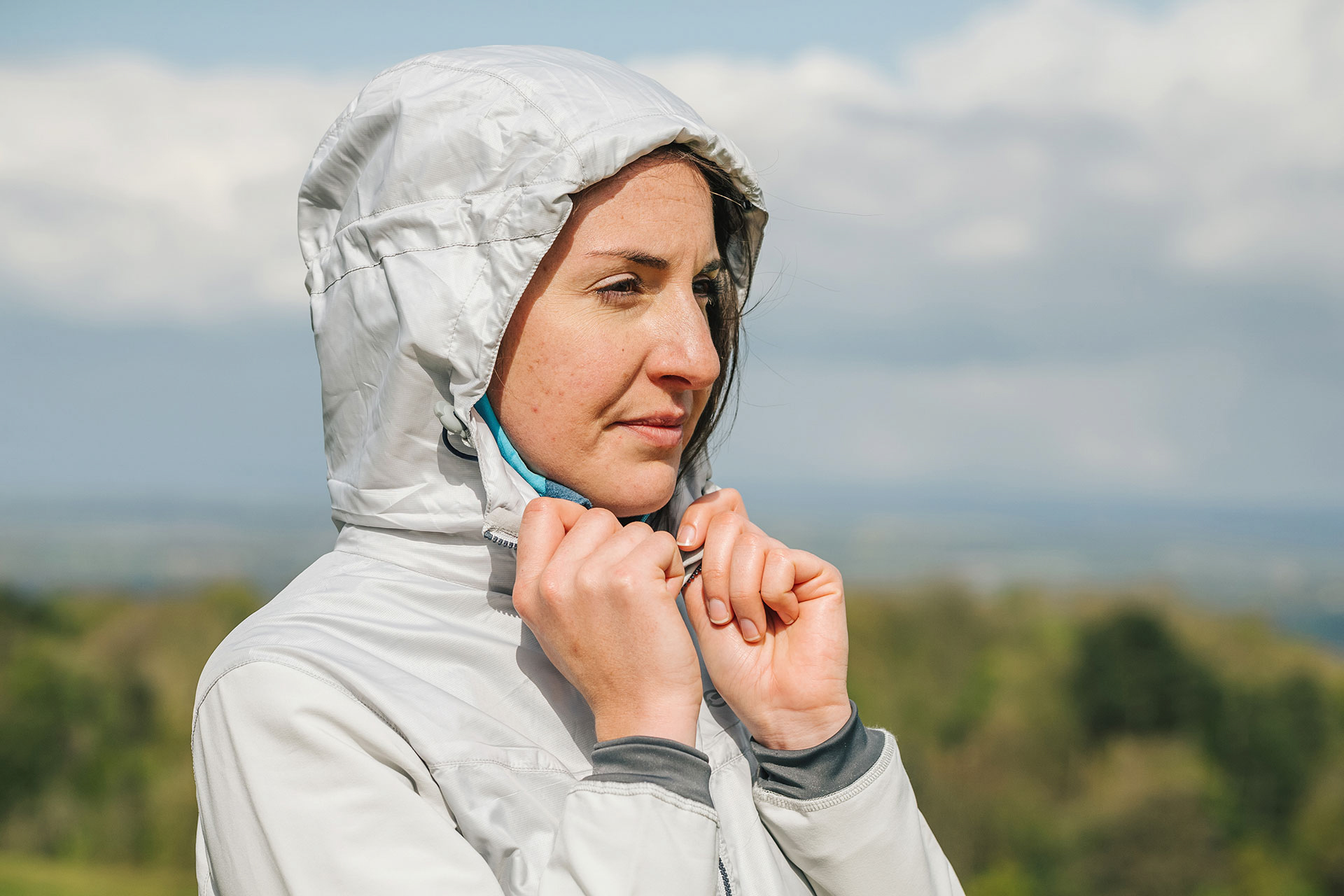
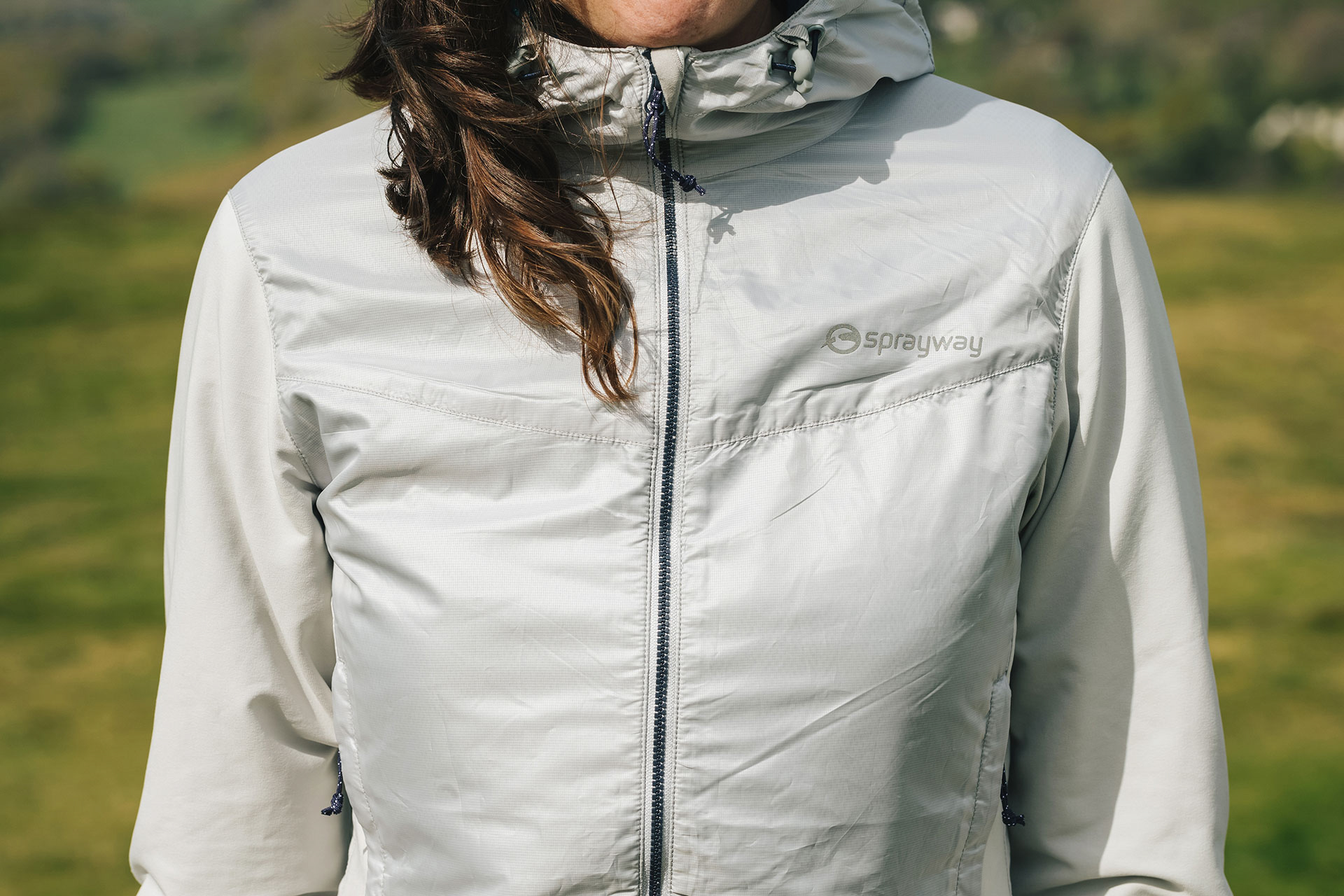
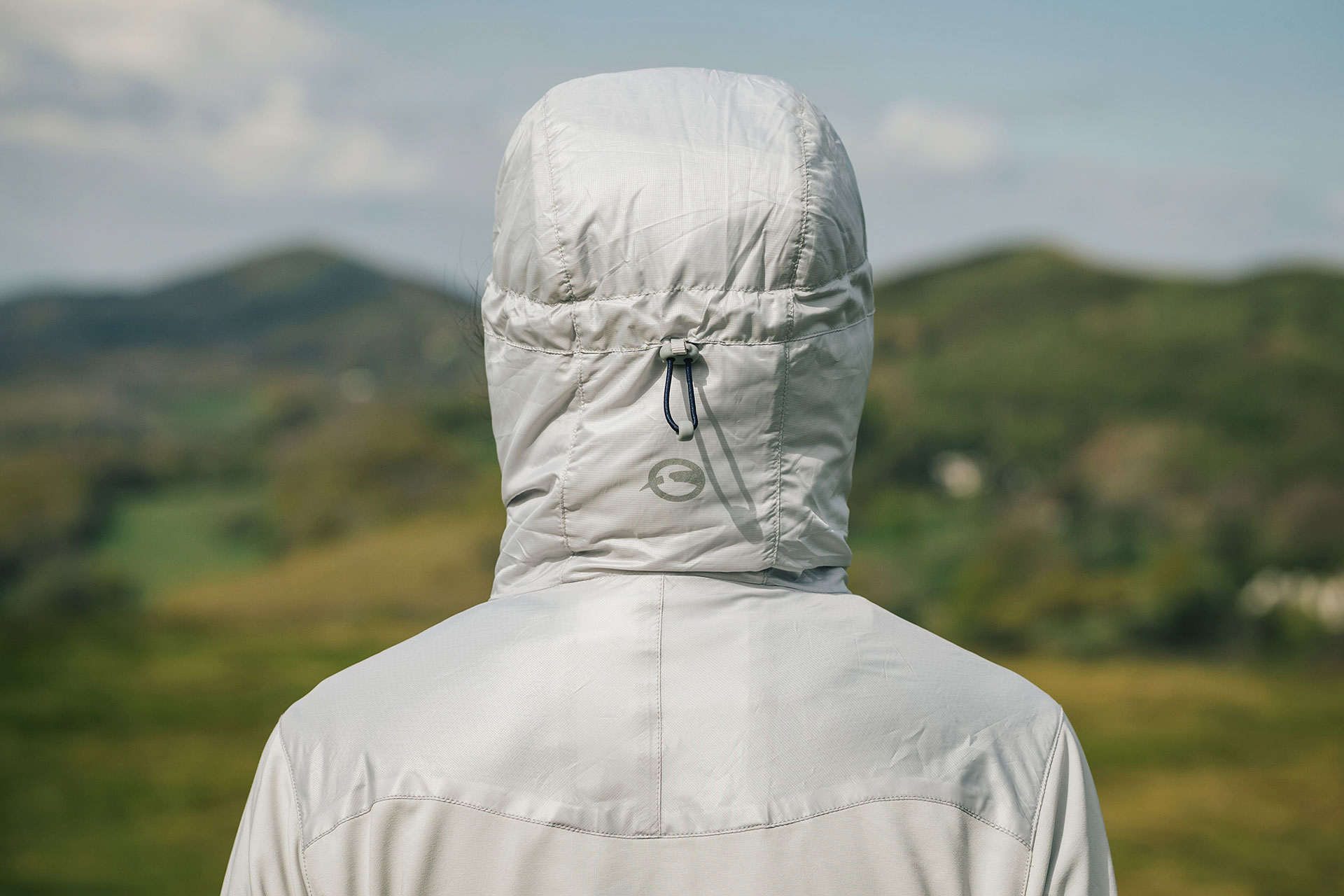
A windproof jacket will be far more breathable and comfortable than any waterproof, particularly when the air temp is fairly high. Also they're much lighter and more packable than full waterproofs. A windproof jacket I like a lot is the Montane Litespeed, which has a hood and full lngth front zip. These features make it a little heavier than the most basic over the head designs, but the greater flexibility is worth the weight and it's still only 160g or so. Cost is about £40, but you could well get it for less than that.
hi john i think you have got your gale force numbers wrong----google beaufort scale----i spent aweek on san antoa 2 years ago in march??---it was breezy every day thankfully --but stiil too hot to walk in the hotest part of the day---you may be able to wild camp very high up but lower down every last inch is cultivated----take sun cream---i couldn t find any to buy on the island---ditto buy a map before you go---the taxi drivers all carry a postcard with a map of the island to show you----tip-- a third grog (local rum) is one too many nightcaps
The question I'm asking - do windproof jackets offer a lot more breathability than ones that are both windproof and waterproof to a large extent e.g. eVent jackets and Gore Pro Shell?
Executive summary: yes, by miles. If they don't have any sort of membrane in them (i.e., like Windstopper) especially true.
Thanks will look into the lightspeed. <£40 is good news.
Higher up I believe it can get down to 50f esp at night so I will freeze in those temps. Unless it will be warmed in march/april and I've got my temps mixed up?
Lentenrose - thanks for the info! I got it from the bradt travel guide. It looks like that was for sailing, windsurfing and other water sport activities.. on pg 44 it says "With the trade winds providing a remarkably steady force 5 to 6 in winter falling to a gentler force 3 to 4 in summer, wind is never lacking. It goes on to say about it being a int. windsurfing and kitesurfing destination. How easy was it for you to get between the different islands?
I will have to take plenty of suncream as I've been burned badly quite a few times in the past. Which map did you get? I looked on amazon but there are only one or two for CV. The local rum sounds interesting all ready!
no map ---couldn t get one locally not even the post card map---- flew onto sal then flight to san vincente then ferry to san antoa----however if i had time i would have gone to the port---there are small cargo/passenger boats plying between the islands ----but timetables are apparently an aspiration not a fact-----re lack of sun cream --- i burnt and got told off by an old man---"you have to think you are africa now - the nearest land is senegal"----- i can only give my experience of the area between ponta del sol and janela but i couldn t see anywhere suitable for wild camping with a nammati and no campsites----the ground if not cultivated is limited and extremely harsh ---you might get away with a bivi with a roll mat underneath to protect it----otherwise i was staying in paul- room only for 2 £12 a night
NExTec is a very water resistant and wind resistant material that is still quite breathable. Some bicycle jackets are made from NexTec. I believe the fibers are treated with Teflon before being tightly woven.
Nextec is a company who produce a silicone encapsulation treatment called EPIC that can be applied as a DWR to a range of fabrics. It is very water resistant, but at the expense of reduced breathability; some people find it quite clammy.
Generally, I'd always recommend not wearing a waterproof unless it's actually raining, as a windproof will be more comfortable.
if you really think you need a windproof-- take the lightest/cheapest one you can get---rain is not forecast till the end of the summer---i walked in jeans/long sleeve denim shirt--no underwear/terrocs and tiny running socks---never cold --day or night-----i reckon your kit list is too "british"----think more bl--dy hot
At those kind of temperatures a pertex windshirt - especially ones with DWR - will likely be clammy and sweaty - what's wrong with a cotton t-shirt, or cotton, silk or linen shirt, possibly with sleeves to keep the sun off. Such things will absorb sweat directly much more effectively than pertex, and then the wind will take it away - you'll be a lot comfier.
ah, yes... those temperatures. Daytime that's t-shirt/base layer territory. 10C at night is hardly freezing, either. My lightest sleeping bag is rated to 8C, and weighs 600g...
In the weather you're talking about I personally would go with a windproof opposed to a membrane waterproof i.e. Gore Tex, Event etc.
I've found the Paramo Fuera Ascent Jacket to work really well in a variety of temps from warm to cold depending on how you layer beneath it.
Although, the Rab Vapour Rise Jackets are great right along with the Marmot Driclime. The Rab and Marmot are slightly lined with a kind of micro-fleece for a little added warmth while the Paramo isn't. But of the three I find the Fuera Ascent to breathe the best and unlike the Rab or Marmot, it does have a three way adjustable hood.
You can always combine two of them for a pretty darn good waterproof system. Good luck.
I've done a bit of walking in Taiwan (hence my name), which has very high mountains (3900 m is highest I think) and also extremely hot (above 35c in summer and very humid). From my experience a lot of the time you just need a tshirt, make it a good sports one rather than cotton, although a long sleeve top is good because of the risk of burning.
You said it was very windy, so it might well feel below 10 c up in the hills, in which case I would recommend a good windshirt and something like a microfleece. With those I reckon you'd be fine. The montane litespeed is only £35 on some websites too, and packs really small so seems perfect for when you get up to the really windy peaks.
I'd get one of those hydration systems too, I'm sure the pros on here can advise which one.
Check out the Paramo Trek+Travel range, such as the Tacana. The fabric wicks well to chill you if you sweat, keeps the sun off, and yet if it cools in the wind is windproof, works well in the 60F-90F range. Don't get the Karmai, too many layers of fabric in the many chest pockets and you sweat on the upper tummy, but the Tacana works well.
Those 80F-50F temperatures are not that hot, nor that cold. I moved to California from UK and it regularly gets to 90F-100F in the summer mid-morning/early-afternoon and strong winds in the later afternoons/evening which chill it down to 60F, and then repeats daily.
Absolutely have something like the Montane Litespeed in your kit.
The point not mentioned so far is you will acclimitise and your temperature range will move up, you will get used to the heat, initially you will find it too hot, and then it just-right, and then when it cools it will feel colder than that same temperature does before acclimitisation. So be thinking if you're used to 60F, when you get used to 80F, something like 50F will feel to you like 30F (freezing) does right now.
So whilst you will need wicking layers and be walking in the heat in just the baselayer, also think about traditional layering, simply adding a windproof will NOT be enough to make you feel warm at 50F after a few days of getting used to 80F.
Agree with Formosa man's view wicking base, windproof, thin fleece.
The windproofs are thin material and if the wind is strong and the temperatures are low, there isn't really much to keep the heat trapped within the windproof, it will be billowing and exchanging inside air with outside, your thin base won't be trapping heat, so you will need some kind of air-trapping mid layer which the windproof helps protect. A fleece may sound like overkill for 50F now under a windproof, but once you are used to 80F then you will feel the need.
There's a lot to be said for a very thin Merino wool (e.g. Smartwool microweight) as a base and a Tacana as your windproof with a Litespeed as a 3rd layer, you can tune that combination, and the Litespeed will cope with showers/drizzle but not much more.
Also.... suncream, and a Buff. When I came to California I burned in less than an hour, now burn in 4 hours.
Water - about 3L I suggest but allow for 4L before you acclimitise. In the summer its too hot to walk, I ride my bike and in 90F I go through 4L in 6-8 hours.
I've found the Paramo Fuera Ascent Jacket to work really well in a variety of temps from warm to cold depending on how you layer beneath it.
As predominantly the temperatures are high, I suggest the Paramo Fuera is too heavy to warrant being in the pack, I suggest the Litespeed and save your pack for the water.
but on the other hand the fuera will be warmer than a litespeed as it is more rigid and thus will billow/compress on you less. windproofs only really work with something underneath them i.e. protecting another layer from the wind. where they are in close contact with you you will still get the wind chill.
just for clarity force 3-4 isn't much of a wind, Windsurfing is just about possible (on a big board) but it doesn't get interesting until 5s and 6s, these are all breezes (gentle to strong). Gales start at forces 7 (near gale) and 8 (full gale).
I'd take a windshirt and a light fleece to go underneath if needed.
Parky, we make the same point that windproofs need to protect the trapped air inside a layer underneath, otherwise they just conduct their outer colder to the skin, so a long-sleeve zip-neck baselayer (microweight Merino longsleeve zip-neck, for example). Also billowing depends on the fit. In "medium", the Fuera Smock I own has more volume of air inside it than the Montane Litespeed, but a better hood and a chest pocket.
I'm not saying the Fuera is a bad windproof, but that in the OP's context it sounded like the dominant issue was heat primarily, with packed items to cope with windy and with lower temperatures, and on a packed-size basis the Litespeed wins. For a more wear-all-day context I'd recommend the Fuera.
Down to 50F, once used to 80F, also need some kind of middlelayer, because any base thin enough for 80F won't be thick enough under a windproof at 50F post-acclimatisation. I was amazed in my UK-California relocation at the clothes I wore, literally in what would be a UK spring in my t-shirt temperature, I'd need another layer, after I spent days in temperatures which in the UK would have triggered thunderstorm and lasted a day.
So actually, the question not asked but would be part of the kit-list is what is an appropriate mid-layer? I found I was quite happy with a Paramo Explorer, which I happened to own, but it packs big, and is really a wear-all-day type garment also, so in this hot-going-cold context just a light fleece?
Whatever happens to the human body in heat didnd't seem to adjust my legs' thermostat, just my torso so everyone will have to discover their adaption.
at lower latitudes close to ocean the wind has a strong effect on temperature, due to lack of wind allowing the strong sun to climb temperatures quickly, and the wind brings temperature back down to sea temperatures. The net effect is wind has a stronger cooling effect, and obviously the lack of wind makes it very warm. Or in less words "sea breeze". The actual strength of the wind obviously impacts how long the air has to mix and warm before hitting the person so it requires a stronger wind to drop temperatures further inland.
This is magnified relative to UK where the sun is not as strong. I know in California the sea is cold, I suspect in Cape Verde its warm so a sea breeze won't it feel freezing cold like it does here.
I found for all the physics and physiology, between the difference in temperatures, humidity, the acclimitisatoin effect, you need to carry similar clothing in hot countries close to the sea as in temperate UK conditions.