|
Buyer's Guide - Mountain
Shell Jackets
|
|
What? Waterproof
and windproof breathable technical mountain shell jackets
for walking and climbing in all conditions. Need to be
protective enough to cope with extreme conditions and
breathable enough to allow you to work hard without that
'boil in the bag' feeling.
|
|
Why? Wet clothing is a poor
insulator - most insulation works by trapping warm air
against your body, if your thermal layers get wet, you'll
lose body heat quickly with potentially dangerous
consequences. Wind chill is also a major problem on
mountains as the wind will strip the layer of warm air
around your body taking valuable body heat with it.
|
|
Features? Vary
with personal preference, but at the very least you'll need
a waterproof and breathable fabric, an effective hood,
adjustable sealing at cuffs, hem and around the face,
probably some pockets and a well-protected main
zip.
|
|
Waterproofing is better than ever before with most good
fabrics carrying a substantial guarantee.
Even the best fabrics may not be breathable enough if you
run on the hot side.
|
Fabric Choice
There are loads of different choices here. The most common
high-end fabric is Gore's XCR - which is effectively replaced by the new Gore-Tex Pro Shell for winter 2007 - which is more breathable than 'normal'
Gore-Tex and
designed for hard use. Similar, but more breathable in our experience
is eVENT
fabric, which is a good alternative particularly if you run hot.
For general mountain use we'd avoid very light fabrics like Gore's
Paclite, and go for three-ply construction for increased toughness
and better breathability.
You can tell the difference between two and three-ply fabrics
since two-ply materials have an internal mesh liner to protect the
coating or membrane from abrasion. If you're looking for an
alternative, Nikwax's Paramo
fabric is a different answer to the same question. A moisture-pumping
lining avoids condensation problems which other fabrics are sometimes
prone to and breathability is good, however if you run hot, you may
find the material simply too warm for you.
Hot tip We'd rather have a
good-fitting, well-specced jacket in a marginally less breathable
material than a poorly designed one in a wonder fabric.
Reinforcements
Many jackets intended for hard use have panels of harder wearing
fabric to protect against abrasion and wear from rock and packs. Good
modern materials should be hardwearing anyway, but if you're into
climbing or heavy backpacking look for reinforced shoulders, upper
back and the sides of the hips where pack belts run and harnesses
hang. Forearm reinforcement is great for thrutchy climbers.
Hot tip You should be able
to feel if the shoulders and so on are reinforced. If they're the
same fabric as the rest of the jacket, they're probably just cosmetic
add-ons.
Fit And Flex
It's not just vanity, fit has a major effect on performance. What
you're looking for is a close fit, which will eliminate chilling
internal air pockets and improve breathability, but without
restricting your movement, particularly if you're a climber.
To check this, reach up high and make sure the hem of the jacket
doesn't pull up and the sleeves don't pull down. Reach forward as
well, since that's actually a common climbing movement. Try with a
harness and a pack to make sure there's no loose billowing
fabric.
Stretch fabrics - Gore's Sttretch XCR for example - are a great
way of improving fit by making the jacket able to cling to you, but
without restricting movement. Look for stretch panels in the back and
shoulder areas - as with ME's Changabang or Haglöfs Climber
Motion for example. A stretch area at the base of the hood lets you
remove and replace it without adjusting the drawcords or volume
adjuster. Neat.
Hot tip Think of stretch
fabrics as an aid to fit rather than something that ups mobility.
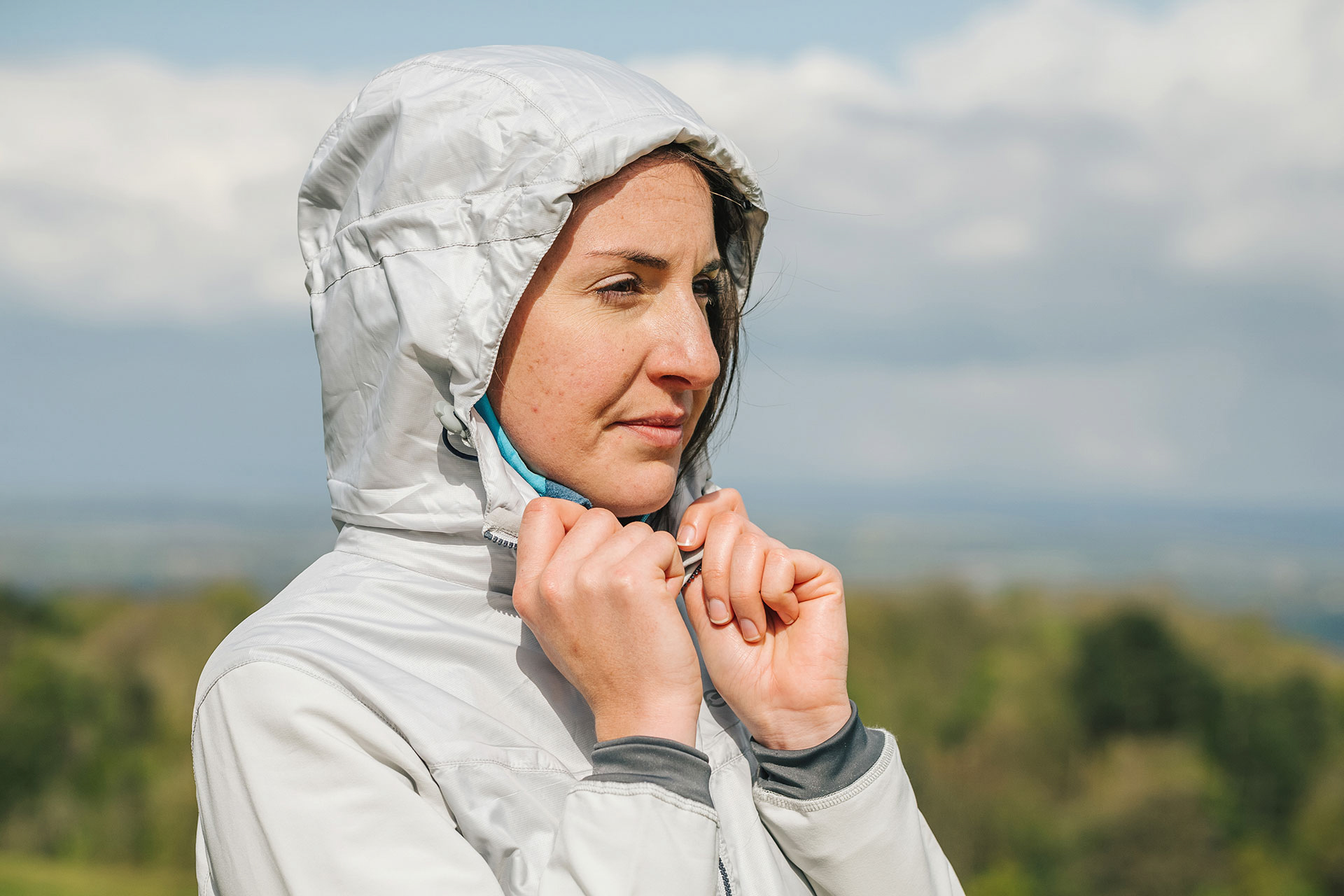
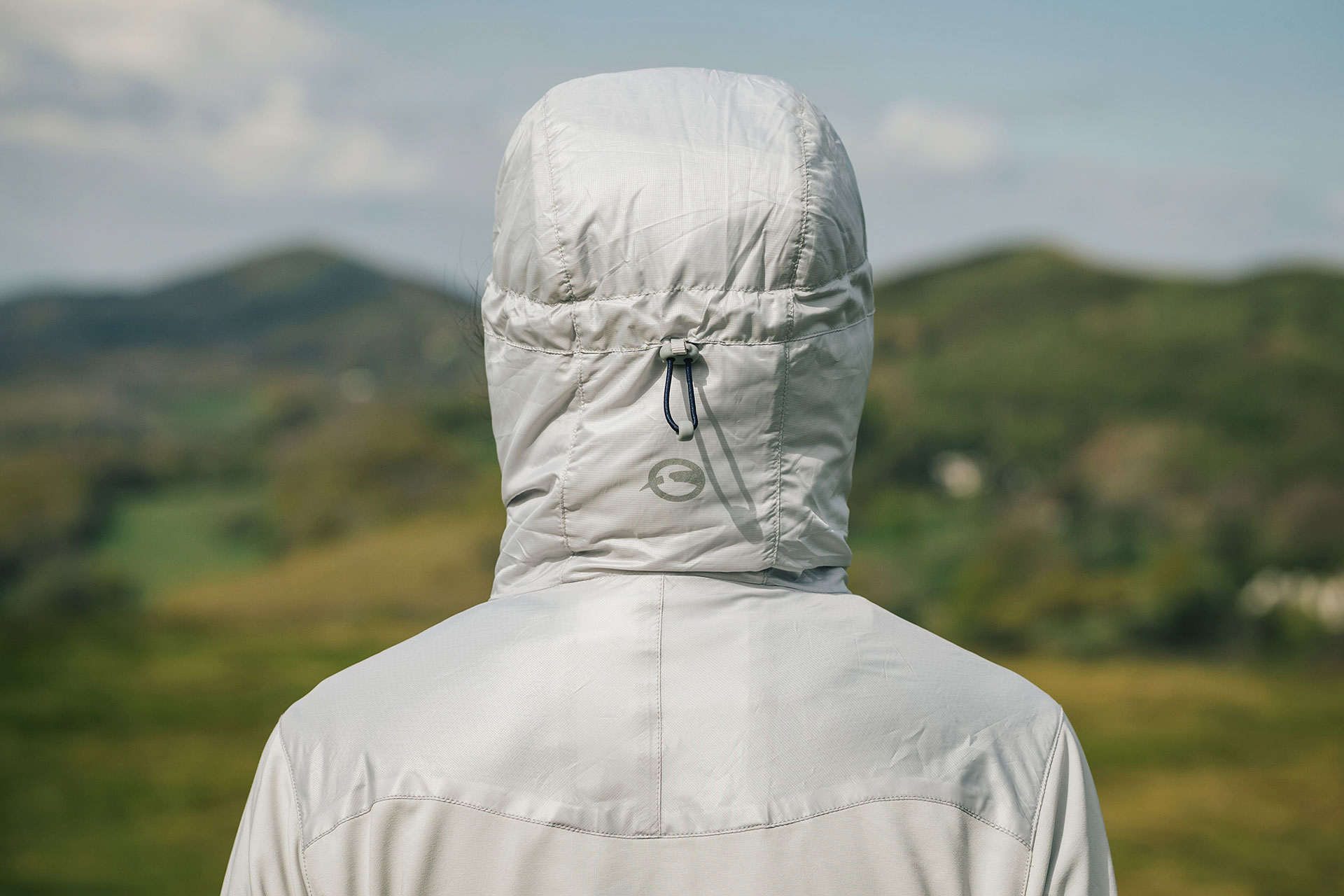
Hoods
In the UK a decent hood is essential, but not always easy to find.
The two best designs we've used come from Mountain Equipment and
Arc'Teryx and have an adjustable shock cord which grips the top of
the head and means that the hood turns when your head does.
In the UK a stiffened or wired, or both, hood, will stop rain
front dripping down your face in wet and windy conditions and a
snorkel rather than cut away design will help protect your face from
savage sidewinds. If you intend to climb, the hood needs to be large
enough to cover a helmet, but still effective without. Ideally the
adjusters should be easy to use one handed and wearing gloves. Make
sure that any cordgrips don't slip.
Once cinched down, the fit should be close to your face to
minimise drafts in windy conditions. Finally, watch out for overly
bulky chin-guard areas - stiffened flaps and zips can make for an
uncomfortable press fit against the chin.
Hot tip If you're using a
helmet, the rim will compensate for a floppy hood peak, if you're
not, look for a well-stiffened one.
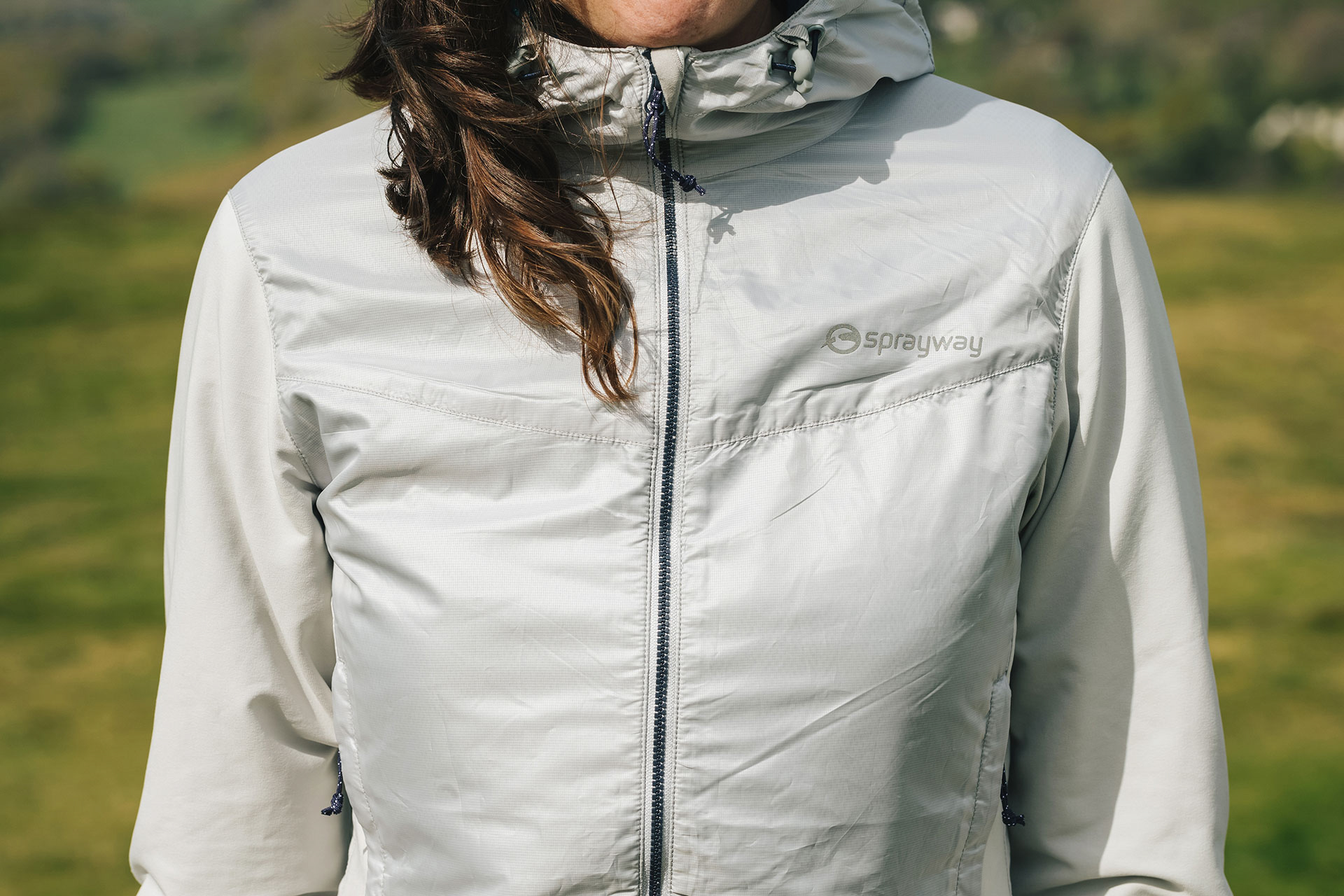
Main Zips
Always look for a protective flap over the main front zip of the
jacket and preferably two doubled over each other, often called a
'double-storm flap' for obvious reasons. Some jackets use a flap
behind the zip for neatness, but unless it's a neoprene coated
water-resistant one, we'd prefer an external one.
Finally, you'll want a 'chin guard' at the top of the zip to stop
the teeth masticating your chin. Fleece may feel warm and luxurious,
but in really cold conditions may freeze unpleasantly. We'd opt for a
thinner microfleece surface instead.
Hot tip Forget double
interactive zips that let you zip a fleece in. They add unnecessary
bulk and create a cold spot along the zip area.
Vents and Pockets
Pockets are like cigarettes, chocolate and alcohol - a personal
choice. Some people feel the need for loads, others are happy without
any at all. If you carry a map, then a protected map pocket, usually
under the main storm flap is a good move and big chest pockets will
allow you to stow bulkier items like snacks, light gloves and maybe a
hat.
If you're going to be using a harness then lower, handwarmer
pockets will be unusable and maybe even uncomfortable under the
webbing. For extreme conditions, an inner mesh water-bottle pocket
will keep drinks close to your body and stop them freezing.
Vents again are a personal thing. Pit-zips started as an option
for climbers and should be useable with packs and harnesses. Zip 'em
up on belay, open when moving to keep cool. The other common option
is core vents, often combined with pockets. Neither types are
essential, particularly if you run cool and you can always open the
main zip instead, but in breezy conditions, the added ventilation can
help to prevent you from boiling over. We prefer our zips to be
accessible and easy to pull up and down, so check.
Hot tip Few pockets are
really waterproof - if the pocket or vent opens directly into a mesh
pocket or direct into the lining then make sure the opening has some
sort of storm flap.
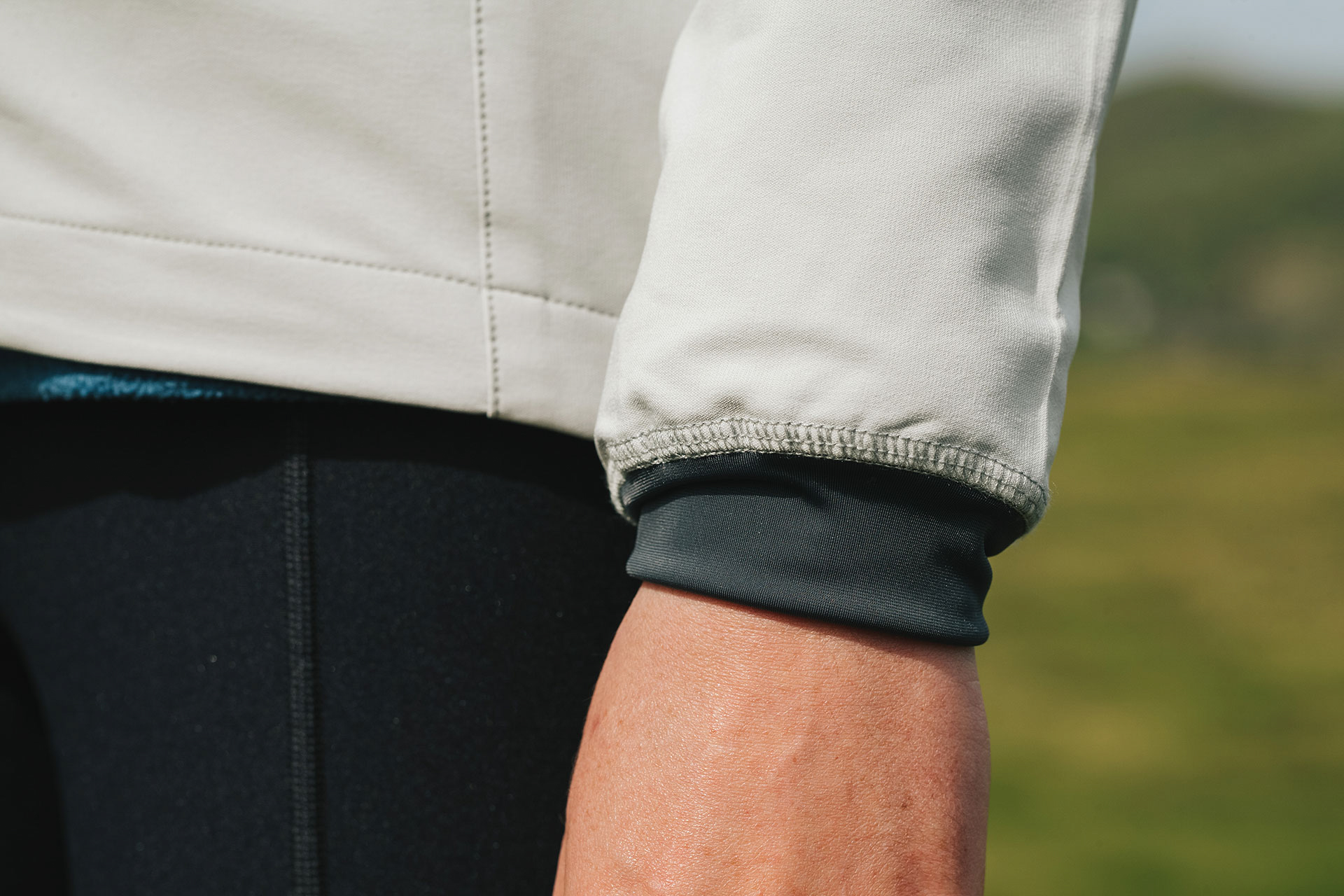
Drawcords and Openings
Again drawcords and cuff fastenings should be easy to use and
simple. Make sure toggles and cord ends are captive to avoid jamming
in belay devices, or in the case of the hood cords, whipping
painfully into your face in windy conditions. Our favourite cuff
fastenings are simple laminated Velcro tabs.
One neat refinement used by ME and others, is a partial waist cord
which pulls the front of the jacket flat for neatness and an
unimpaired view of your feet and footholds when you're climbing. A
tidy and effective idea.
Hot tip Beware untethered
hem cords, they have a tendency to get mixed up with climbing gear
with potentially dangerous results.
Underwear
We've left this till last, but it's crucial that you wear a
wicking base layer under your breathable jacket. Cotton tee shirts
will simply hold sweat uncomfortably against your skin and, no matter
how, breathable your jacket, the moisture will simply never reach
it.
There's lots of choice - we like Lowe Alpine Dry Flo, Polartec's
PowerDry and merino wool - but any specialist base-layer will be 100
per-cent better than cotton. We've had good results with
budget-priced kit from brands like Regatta and Berghaus's Technical
Tees. So just do it.
Hot tip Don't even think
of wearing cotton under your breathables.