"Come, on finish that pasty or we'll all end up with
hypothermia..." Yep, it's that time of year again, the nights are
closing in, temperatures are dropping etc, ad nauseum. But what
exactly is hypothermia, how do you spot it, what should you do if you
get it and how should you avoid it in the first place?
What is hypothermia?
Pay attention now, hypopthermia, also known as 'exposure' is
technically when your core body temperature drops below the normal 35
degrees centigrade, your normal body temperature is 37C. It happens
when the amount of heat you're losing can't be replaced by your body,
so your body temperature falls. The results are serious and can be
fatal, one text book lists a drop of 4C as causing disorientation, 7C
leaves you in a coma and a drop of 10C can be fatal.
So in very simple terms, it's a fall in body temperature cause
because you're losing more heat than you can produce. It's not just
feeling 'a bit cold', though that can be the start of it.
Spotting the symptons
Assuming you're not walking around with a thermometer permanently
up your butt, you need to be aware of possible signs that you, or
your mates are going hypothermic. Bear in mind that it's not always
easy to spot, particularly early on, but watch out for:
- clumsiness - might look like drunkeness
- disorientation
- sudden bursts of energy
- exhaustion
Classically a quick test is to ask the suspected victim to do some
quick mental arithmatic as a check on their mental function.
Exhaustion and hypothermia go hand in hand by the way, if you're very
tired, your metabolism slows, you don't kick out enough body heat, you
become hypothermic...
Treating Hypothermia
Stop and take stock. It's essential that you don't push on
regardless unless safety is very, very near. If the symptoms are
mild, putting the casualty in some sort of shelter, adding dry, warm
clothes and, in particular, a hat, and feeding them warm hot drinks
and food may be enough.
- If things don't improve, put the casualty in a sleeping bag
and insulate them from the cold ground with a sleeping mat.
- Recent research suggests that body to body warming can
actually be counter-productive since pooled acidic blood in the
muscles is warmed too quickly, reaches the heart and can cause
cardiac arrest.
- Heat packs placed at the victims armpits and groin are a
better way of raising the core body temperature without risking
shock as are a warm drink or soup if the victim is conscious.
- Do not give the victim alcohol or coffee since both can cause
heat loss.
- Do not allow the victim to fall asleep.
- Treat the victim gently, in severe cases of hypothermia, rough
handling can cause a chilled heart muscle to arrest.
- Even when the victim has apparently recovered, they mustn't be
allowed to continue the hike. Instead, call or fetch help and, if
possible, get them evacuated from the hill so they can receive
professional treatment.
Avoiding Hypothermia
The best solution to hypothermia is to avoid it in the first
place, which is doubly important when youre on your own, since
disorientation makes the condition hard to spot.
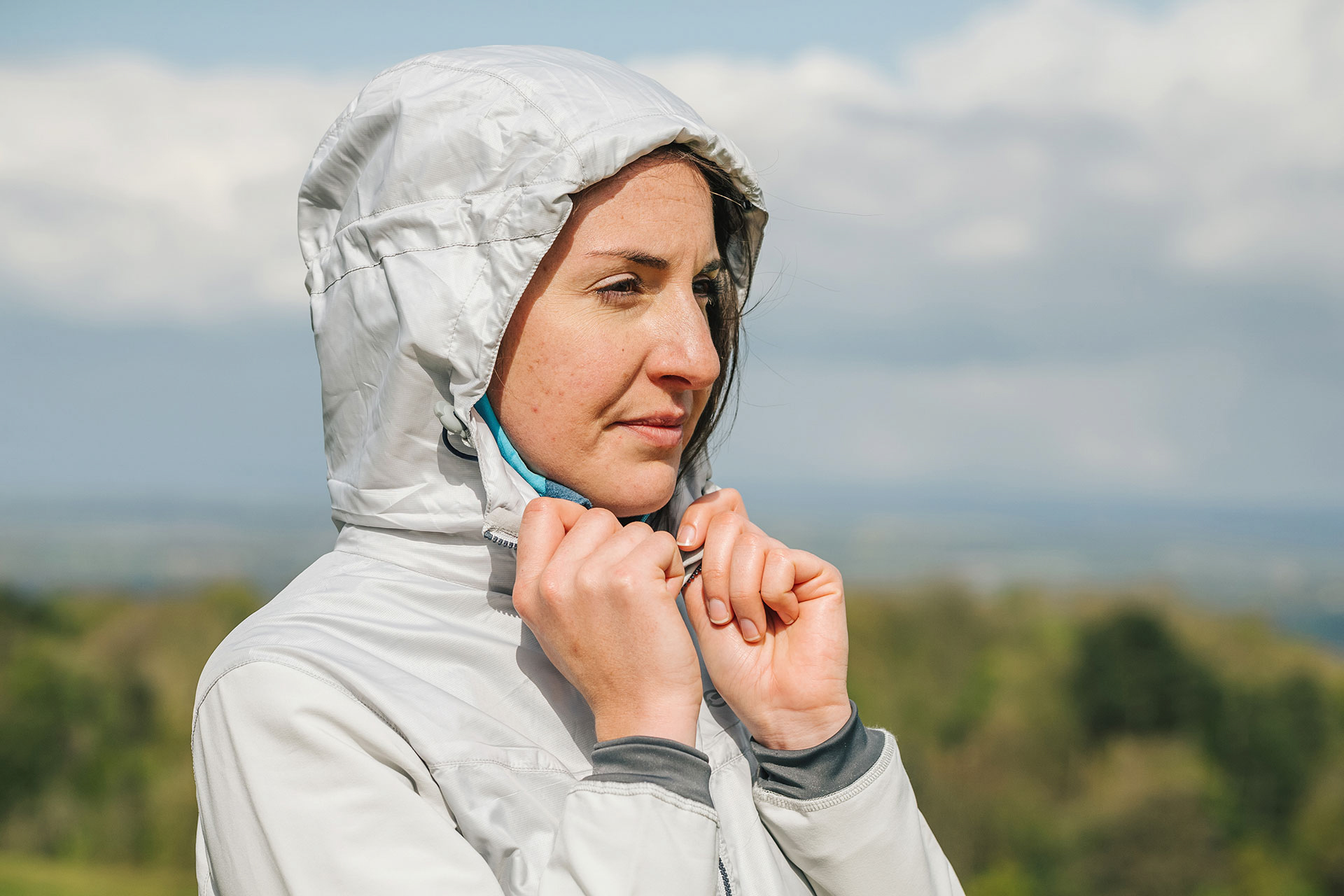
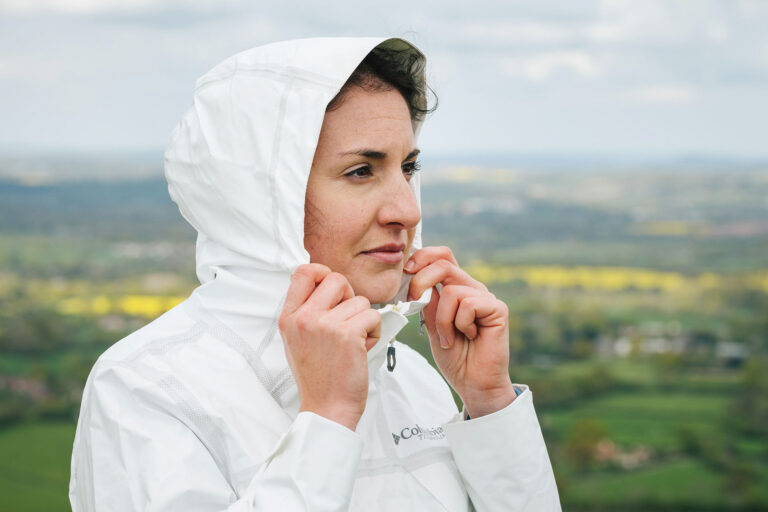
- Where correct and sufficient clothing. Wind chill and damp are
both your enemy since both accelerate heat loss from the body, so
wind and water-proof clothing and insulation layers are
crucial.
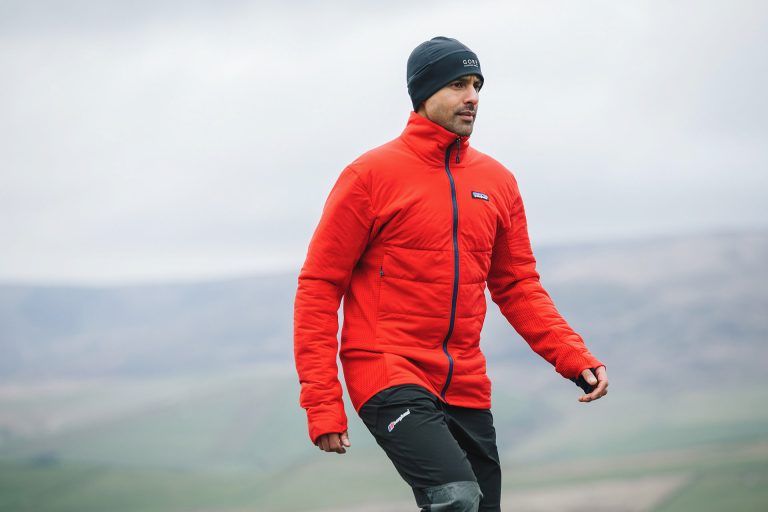
- Cover your head - you lose a lot of heat through your noggin,
while the body will restrict blood flow to, say, your feet, your
brain needs a blood supply to function, so the stuff is always
flowing up there. A warm, windproof hat will make a big
difference. Carry a spare too, it's stupid dying because you
dropped your hat...
- Eat high energy foods regularly as you go - your body is like
an engine and if you don't fuel it, it'll stop running and stop
producing heat.
- Don't be over ambitious - tired walklers and climbers are far
more likely to get hypothermia, so be realistic about your day -
if it's cold and wet or very windy, consider shortening your route
or maybe cancelling altogether. If you're a little unfit, don't
push yourself too hard.
Kit To Carry
Particularly if you're part of a group, carrying the right kit can
make the difference between life and death. If you're backpacking,
then you'll have most of what you need to survive already so...
- Your brain - no joke, pressing on regardless is what kills
many hypothermia victims. Having the presence of mind to realise
that you have a problem and need to deal with it is crucial, but
difficult.
- Spare warm clothing and a sleeping bag / down jacket can be
crucial in minimising heat loss in the victim. Bear in mind that
other members of the group will also need warm clothing once you
stop. Hats are crucial.
- An emergency shelter or bivvy bag - crucial to getting the
victim out of the wind. Group survival shelters are excellent and
can also be used for sheltered lunch stops and allow you to pool
body heat.|
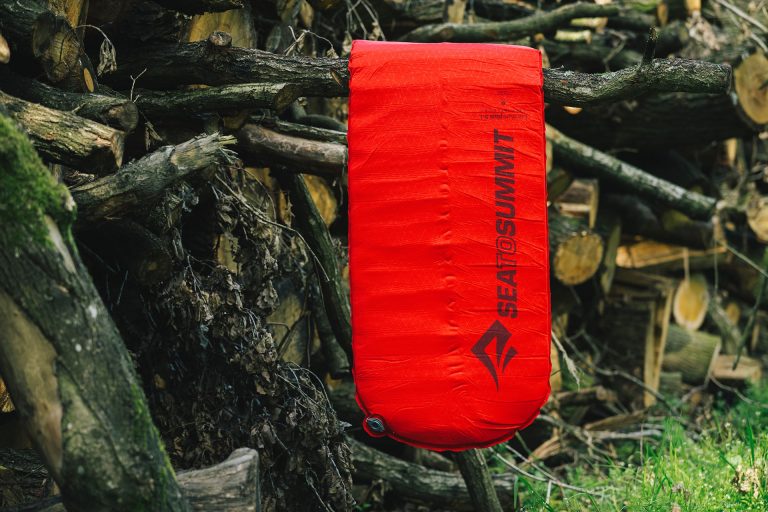
- A sleeping or bivvy mat - ideally you want to insulate the
casualty from cold ground, if you don't have these, improvise
using a pack and / or spare clothing.
- Stove, drinks and food. A lightweight stove and some soup or
hot drinks are a good move and you should always carry emergency,
high energy food as a back-up measure.
- Heat pads - exothermic warming pads are a better way of
warming a casualty than body contact. Well worth adding to a group
kit list.
We're not saying that you have to carry all of these in winter,
but they could make the difference between a minor scare and a
fatality, so, particularly if you're part of a group, think about
sharing the above out between you.
And Finally...
Hypothermia's not just for winter, it's perfectly possible to cop
it in spring or autumn, or even in summer, so let's be careful out
there.