OUTDOORSmagic
 Home » News > Gear featuresWednesday 8 October 2008 | Help  
More from OM
Site highlights

Free weekly newsletter!
Join OUTDOORSmagic now
Members can use the forum and gallery, receive a weekly newsletter and are eligible to win great prizes!
why join?  
Travel Partners
Travel Partners
Explore!
Exodus
Inghams
eVent technology
eVent
Latest Reviews
6959 Total Reviews
Berghaus Yeti
by huskyman
SIS GO Bar - Apple and Blackcurrant
by david culshaw
Berghaus Yeti
by PirateDani
Berghaus 64 Zero
by PirateDani
Osprey Atmos 35
by Anthony Brown 2
Epoch Jacket
by wull elliott
Meindl Borneo mens
by TOM BELL 3
MSR Windpro
by david culshaw
» Loads More Reviews
Gallery Rated Image
Panorama 16.jpg
by Francis Boundy
 GEAR FEATURES 23 / 11 / 04
 

Keep Cosy This Winter

Gear features in association with
eVent Fabrics

It's cold, so put more clothes on? Actually it's not quite that simple, our Richard Gear advises you on the best way to stay warm in the British winter and take the insularity out of insulation. What a boy...


Baby It's Damp Out There...

Did you know that the Swiss army occasionally trains in Scotland because the conditions are so savage? UK winter conditions are actually some of the toughest in the world for two reasons. First, the relatively small size of our hills means that Brits tend to go out in anything short of a full-on blizzard. Next, the combination of dampness and cold is a killer.

Damp air conducts heat more effectively than the dry stuff you find high up in, say, the Alps; that means that an insulated jacket or sleeping bag that keeps you snug and warm in the Himalaya may well feel significantly colder in, say, Scotland.

There's a secondary effect, which is that damp air also compromises the breathability of shell clothing because there's less of a favourable temperature / humidity gradient between the inside and outside of the fabric. The result is that your inner layers have a tendency to get damp which in turn reduces their insulation value further as they transmit body heat outwards...


In The Beginning...

Baselayers - the thin clothing you wear next to your skin used to be known as 'thermals', but their main function is actually to transmit moisture away from your skin and outwards. The worst thing you can do is wear a cotton tee-shirt. It may feel comfortable inside, but cotton holds water close to your body and feels cold and clammy. Stay away from jeans for the same reason...

Instead look for a thin, high-wicking synthetic - we like Polartec's Powerdry, Lowe Alpine's DryFlo and Patagonia Capilene - or a thin merino-based garment from the likes of Rab, Icebreaker or Macpac.


Don't Overdo It...

Before we get onto specifics, a word of caution. Most mountain-goers tend to wear too much when moving and not enough when stopped. Working hard on the hill chucks out a lot of heat and sweat and even if you feel cool when you start off, chances are that on most days, you'll warm up fast. Drench your clothing with sweat and your insulation will be much less efficient.

When you stop, you cool down fast, so as soon as you come to a halt, stick on a hat and some extra insulation to stop yourself from cooling down fast.


Belay Jackets

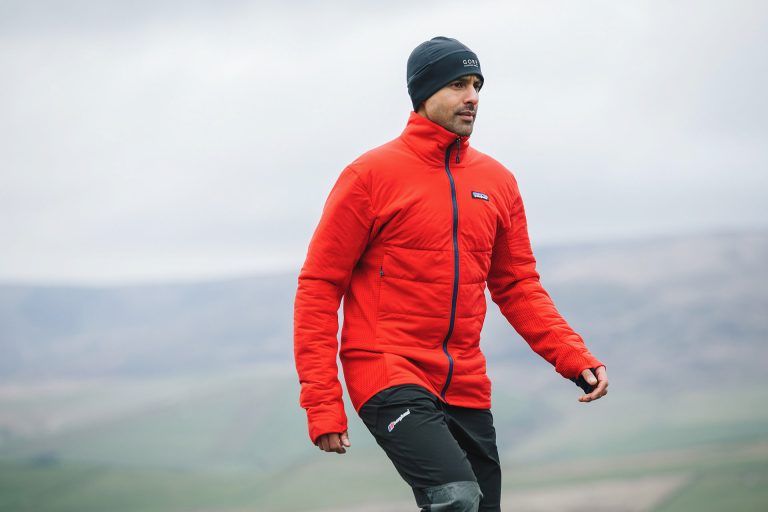
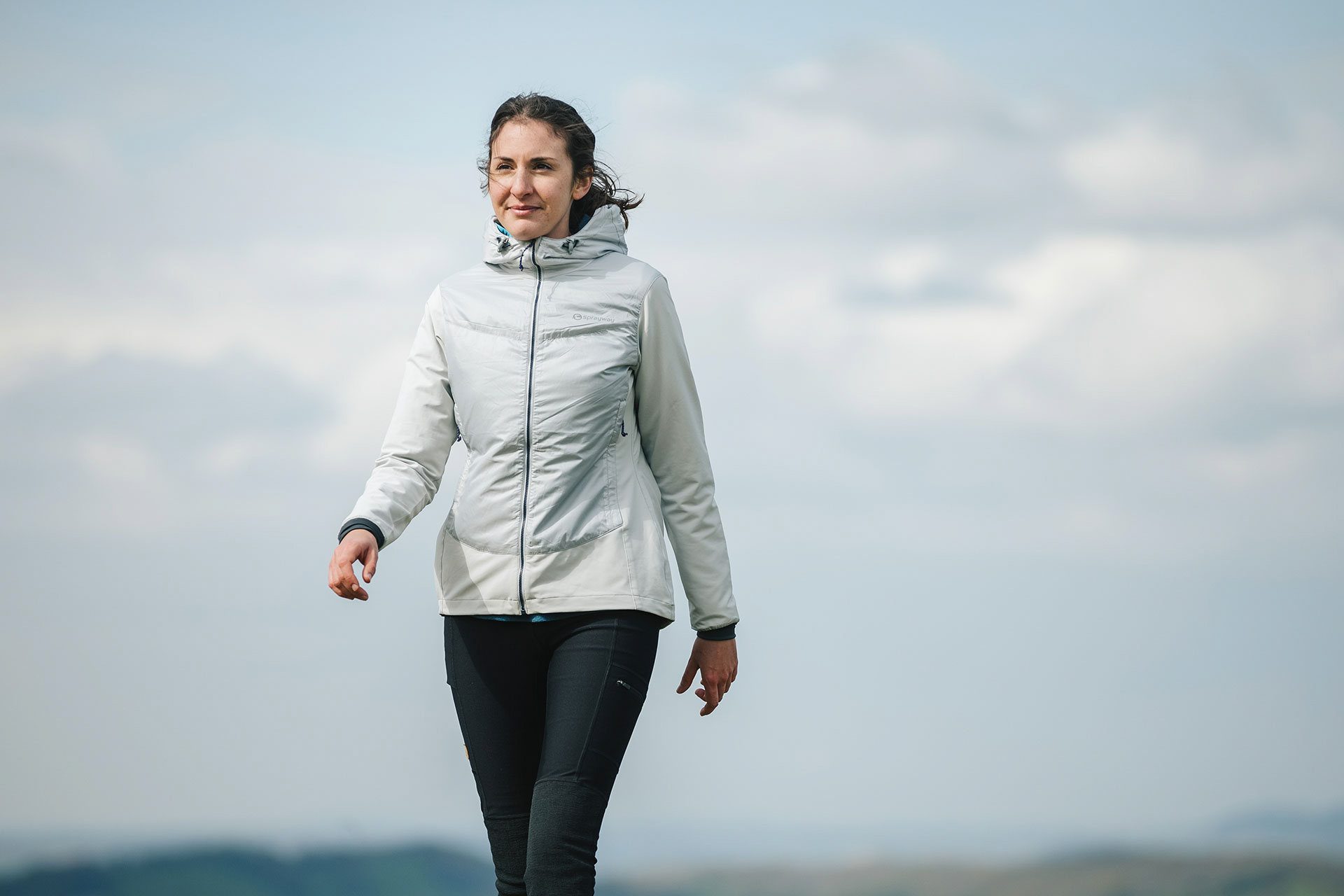
One answer that we're using increasingly is to use a synthetically insulated 'belay jacket' system. The concept began with winter climbers who stay warm while climbing but cool fast once they've stopped at a belay stance. The answer is a fat, warm jacket that, because it uses water-resistant synthetic filling can simpply be slung over all other layers for near instant warmth. The same system works just as well for stop / start walking.


Insulating Layers

Once they're moving, many people will find anything heavier than a 100-weight lightweight fleece too warm except in the very coldest conditions particularly coupled with a windproof or waterproof shell. Don't be afraid to experiment with a baselayer worn directly under a shell or, even if you're still hot, without a shell jacket.

You'll cool down on descents or on level paths, but for hard ascents and mountaineering walk-ins, you may be surprised at how little you can get away with when moving. Try regulating temperature with a fleece hat or cap as well.

If you run cold, then by all means use a heavier weight fleece, but if you're sweating profusely then you're too hot and the moisture trapped in your clothing will reduce its insulation value and mean you cool down rapidly once you stop moving or hit a downhill or flat section.


Alternative Insulation...

Fleece coupled with a shell layer is the traditional choice, but there are plenty of alternatives often combining an insulating material with a wind and / or waterproof shell element.

  • Shelled microfleece - windproof and breathes and wicks well, but is either 'on' or 'off' which can be an issue if you overheat. Eg: Marmot Driclime, ME Microtherm.
  • Pile/Pertex - pile is very warm and holds little water making it ideal for cold, wet conditions in, say, Scotland. Venting helps, but very warm and bulky making it less than ideal for carrying. Great for Scottish winter mountaineering. Eg: Buffalo, Montane.
  • Synthetic fillings - down substitutes in windproof shell fabric work far better than down when wet. Great as a standby for stops and belays, not usuallty great for active use in UK conditions though. Eg. Primaloft filled garments.
  • Paramo - uses the fabled Analogy system to pump water outwards, but even with venting seems too warm for some users under active use. If you run at low to average temperatures though, it works very well for winter use helped by judicious venting...
  • Softshell - a feature on its own, different softshells work to varying degrees in UK conditions. The more weatherproof options like Windstopper tend to suffer from lack of breathability in UK damp though Schoeller-type fabrics make excellent legwear.
  • Down - is next to useless for UK active use as water and dampness stops the filling from lofting. Great for sitting around on dry, cold days and walking down the pub, but rarely worth using on the hill. If you must have a fat, insulated jacket, stick to synthetics like Primaloft for the UK.
  • Ventile - someone's bound to say 'what about Ventile'? Closely woven cotton, it's very breathable and wind resistant, but tends to get wet and take a while to dry, plus it's almost impossible to locate the stuff


Legwear...

Legs are less prone to cold than your upper body, plus you need to maintain mobility making lots of layers impractical and generally OTT except in the coldest conditions. We like a combination of Schoeller-type, wind and water-resistant trousers with baselayer leggings in cold weather and the option of overtrousers when things get really nasty.

Densely-woven Ultrafleece or Karisma material also works well though conventional fleece lacks wind resistance. Thin Gore Windstopper fabrics also work well for legwear where the limited breathability in UK conditions is less of an issue.

Salopettes / bibs or high-waisted trousers with braces eliminate cold spots at the waist particularly if you're climbing and full length zips will let you don them without removing boots, crampons or skis.

Pile-Pertex salopettes are fantastically warm and cope well with moisture, but are much too warm for most active use. Great for slow ice climbs though...


Shells

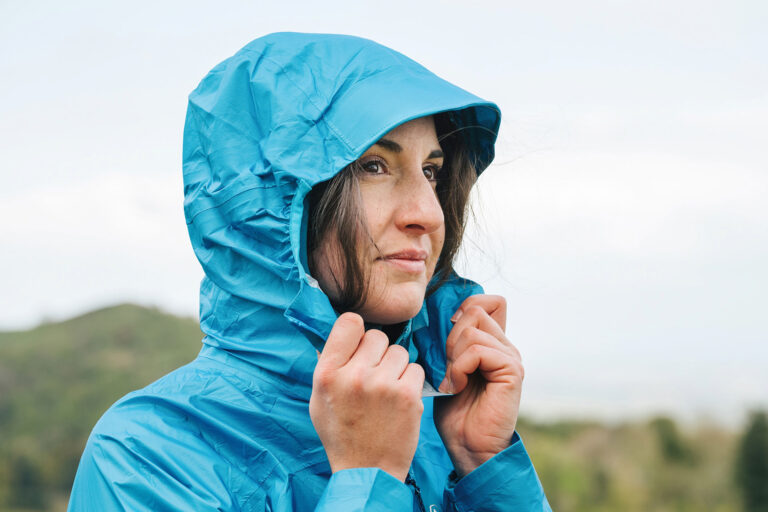
Your shell layer is what keeps the wind and rain off you and allows your insulting layers to stay warm and dry. Ideally we'd take advantage of the added breathability of a windproof shell until it gets properly wet. Having said that, fabrics like eVENT and Gore-Tex Paclite are getting more and more breathable.

What's crucial though is that you have a wind and waterproof layer option which you can deploy when needed.


On Me Head Son...

There are plenty of stats about how much heat you lose through your head, though bear in mind they often include heat lost through exhalation, not an easy thing to prevent. The body pumps blood to your brain to keep you alive so insulating both head and neck is important.

A fleece beanie, windproof fleece beanie or a mountain cap are all options - carry a spare for emergencies - and you can also use the hat or lack of it as an effective heat regulation device. If you're getting hot, take the hat off. It may be enough to keep your cool.

For really savage conditions, a neoprene face mask will protect the lower part of your face. Finally don't forget gloves and again, a spare pair. Windproof fleece are a good start, but you can layer conventional fleece inners with a wind and waterproof outer or, if you're feeling old skool, go for matter wool Dachstein mitts which are seriously warm.


Last But Not Least :-)

I've been talking about clothing, but eating the right food is essential to avoid exhaustion and hypothermia in winter conditions. Your clothing is only half the battle. See our guide to coping with hypothermia.


Gear features in association with eVent Fabrics
Bookmark thisPrinter friendly version
Want to send this article to a friend? Please join here
 

Discuss this article, 1 of 32 messages, read more:
monkey M*gic 
Posted: 24/11/04 13:19:54 54
..this revolutionary, new, highly technical, cutting edge concept - the 'belay jacket system' ...... is basically to take a big warm coat with you and then put it on when you get cold.

Erm, I think my mum came up with this one.


IGM (nice warm)C

Read more...
Related articles:
Vaude Gets PrimaLofted
Two new jackets using the excellent PrimaLoft synthetic insulation from German outfit Vaude, just the thing for a cold, damp British winter we reckon.
Richard Gear Returns!
The OUTDOORSmagic question and answer kit man with the slightly odd name is back in action and answering your geary queries right now.
Survive The Snow!
Top tips from our man Gear, Richard Gear, to help you get yourself sorted for all this lovely snowy weather. Mine's a pint of hot tomato soup...
Buyers' Guide - Survival Aids
Stuff to help bail you out when everything goes pear-shaped out on the hill from emergency shelters through to exothermic heat pads, here's what you need to know.
The Right Trousers...
Some winter trousers are pants, erm, some are salopettes. Richard Gear guides you through the pros and cons to keep your nether regions snug this winter...
Richard Gear's Autumnal Gear Guide
As summer fades to a distant memory, Richard Gear clears out his wardrobe and finds some advice on what to wear as things get distinctly cooler out there
Richard Gear's Travel Kit Tips
Ten top tips for travel kit and more from the high priest of gear himself.
Gear Here, Richard Gear...
Will DWR need re-applying and what the heck is DWR anyway? The man who knows answers your questions.
Be prepared for the conditions
Hot or cold, the Butcher's dog has the answer

Members Logon
Email:
Password:
forgot your
password?
Article search
Sponsored Articles
WILD LANDSCAPES : UNDER THREAT?
sponsored by The John Muir Trust

The Mighty Zambezi
sponsored by Guide Dogs

Paramo Product of the Month: Cropped Cargo's
sponsored by Paramo

Support our partners

VOTE
What mapping sytems do you use (in addition to printed maps)
Mapping software (e.g. Anquet)
GPS
Both mapping software and GPS
Neither- just printed maps
Not even printed maps

 Send to friend | Join Now ^ Top of Page
About OUTDOORSmagic
- About Us
- Privacy Policy
- Terms and Conditions

Subscribe to OUTDOORSMAGIC RSS news feed.
Contact Us
- Support
- Advertise with us
- FAQ
- Retailers: free site review
Affiliates
- Take our news for free
- RSS Feed
Magicalia Digital Publishing
Cycling
- BIKEmagic
- RoadCyclingUK
- SheCycles
- LondonCycleSport
- Visordown
- ProTourNews
Outdoors
- OUTDOORSmagic
- FISHINGmagic
- GOLFmagic
- TheMainSail
Lifestyle
- ThinkBaby
- Gardening.co.uk
- AVReview
- ThinkCamera
Hobbies
- ModelFlying
- MilitaryModelling
- ModelBoats
- GetWoodWorking

- Full Portfolio
© 1999-2008 Magicalia Ltd.