We're just back from an, ahem, gruelling weekend in Tenerife where
Gore, the manufacturers of Gore-Tex, took us to unveil their
latest cunning development which they're calling 'Comfort Mapping
Concept'.
Tenerife was ideal for testing purposes, being ridiculously hot
and blessed with large numbers of five star hotels along with Spain's
highest mountain, the volcanic peak of Pico de Teide at 3,718 metres.
The idea was that by going up the mountain, we'd encounter
temperatures of around freezing at summit level, a nice idea but one
comprehensively nullified by a combination of crazy hot weather and
an uncooperative cable car.
So... not much testing yet, but a lot of theory and luxury.
Comfort Mapping
The creation of zoned clothing's very modish in the outdoor gear
market right now. Mostly though it's been confined to base and
mid-layers rather than shells, but Gore is looking to change
that.
The theory is that your body is composed of different zones which
run at different temperatures, so by matching fabrics to the zones -
insulated areas where you get cold in the main - you can increase
comfort.
And look, three different fabrics joined and taped for
waterpfoofing :-)
Gore product specialist John McDonald, a keen climber and based in
Scotland used mountaineering as an example. A combination of
practical field testing - a good excuse to go climbing if you ask us
- and infra red photography showing heat outputs suggested that when
Gore-Tex clothing is wet and most prone to transmit heat, the areas
which were most affected were the shoulders and upper arms.
The infra red image below shows the Gore-Tex Soft Shell fleece
fabric in the shoulders has reduced heat loss - blue is colder,
yellow hottest.
By adding insulation to the shell in those areas prone to heat
loss, runs the theory, Gore could increase comfort while not
compromising breathability too much. Tests showed that a mere 1 to
2mm of gridded fleece laminated to XCR fabric made a significant
difference. With normal XCR heat loss of 450 watts was recorded, but
using the gridded fleece insulated fabric, that figure dropped to 150
watts.
In reality, claims John, that translates to warmer feeling
shoulders and upper arms when it does get wet and cold, but without
any significant hindrance to moisture vapour transfer the rest of the
time. You can make out the shoulder insulation on the inverted
garment below.
You could similarly cover the sensitive kidney area for example as
well as combining the insulated XCR, and non-insulated XCR, for
example, with say, Stretch Paclite in areas where stretch would be an
advantage. Men's and women's jackets could have increased insulation
in different areas to cater for physiological differences. And here's
a close-up of that insulated softshell fabric.
And Airvantage Too...
Also pulled into the Comfort Mapping system is an older technology
called Airvantage that we first saw around four years ago. It's a
cunning system which uses inflatable channels within the jacket -
below - to create instant warmth.
When you need more insulation, you blow into a mouth piece and the
jacket inflates for near instant warmth. When you don't need the
extra heat, just deflate the jacket and bingo, a normal-ish
waterproof jacket.
Up till now the technology's mostly been used for snowsports where
it can be inflated for, say, use on the lift then deflated when
you're slamming down the piste and working harder, but this autumn,
it will also appear in a Gore Bikewear jacket again so you can pump
up the insulation when heading downhill, but deflate for a cooler
experience on the climbs.
You can see from the infra red imagery that the insulated areas
are signigicantly cooler - blue - than less protected areas like the
arms.
As with other Comfort Mapping fabrics, it can be used selectively
in areas which will benefit most from extra insulation. Gore also say
that the air channels have a surprisingly minimal impact on
breathability.
It's not been done yet, but we think it would also be an
interesting technology for a winter climbing jacket. Simply inflate
as soon as you stop climbing and settle into a frozen belay ledge
then deflate and vent once you start moving and sweating again. No
need to add or remove layers when you can simply add or remove
air.
Don't expect cheapness though, the Airvantage snowsports jackets
out there come in at around 350 quid and are also quite weighty.
Looks kind of weird too, which you'll either like or not...
Just Hype Or Of Real Benefit?
Thanks to the unseasonably warm conditions in Tenerife it's hard
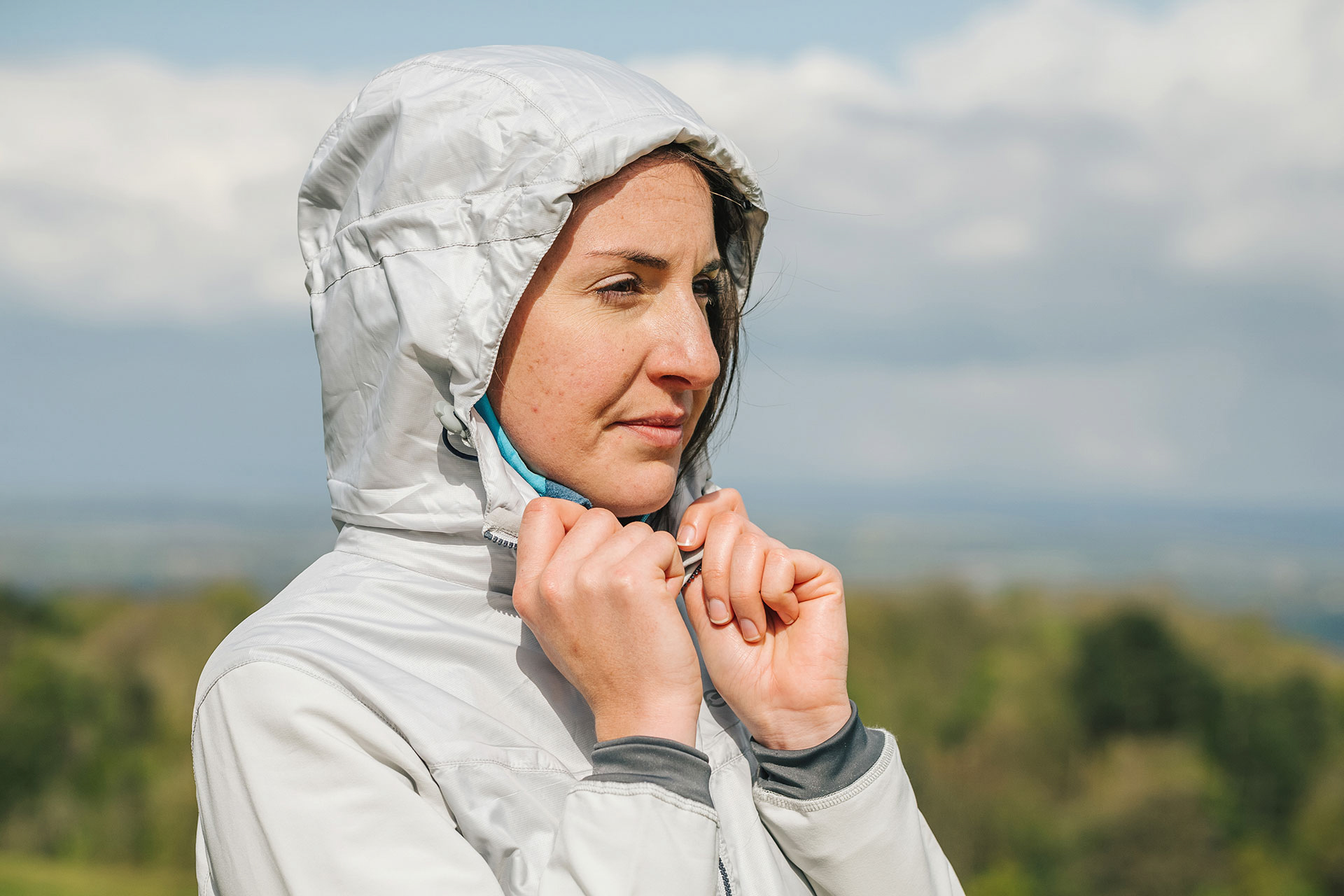
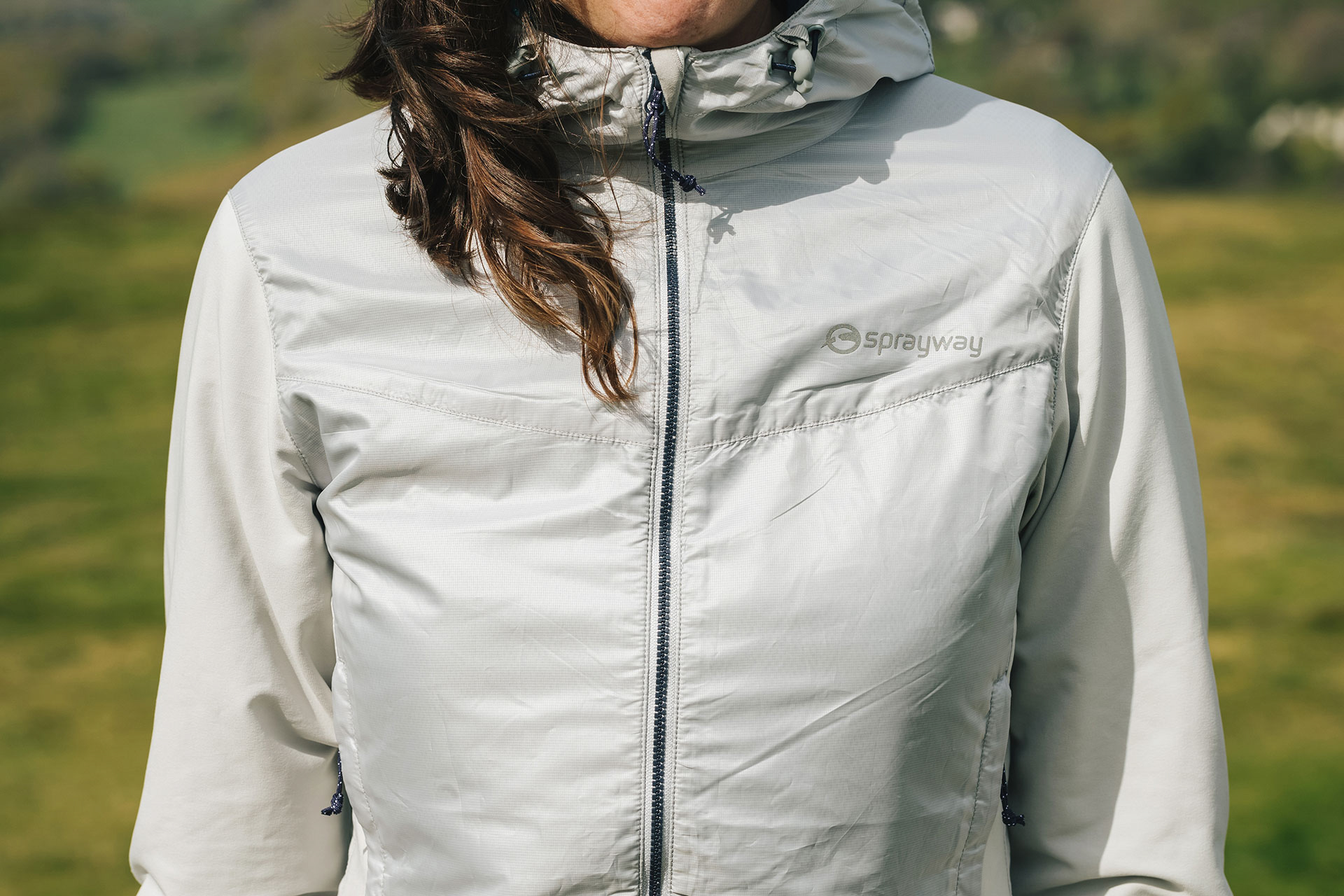
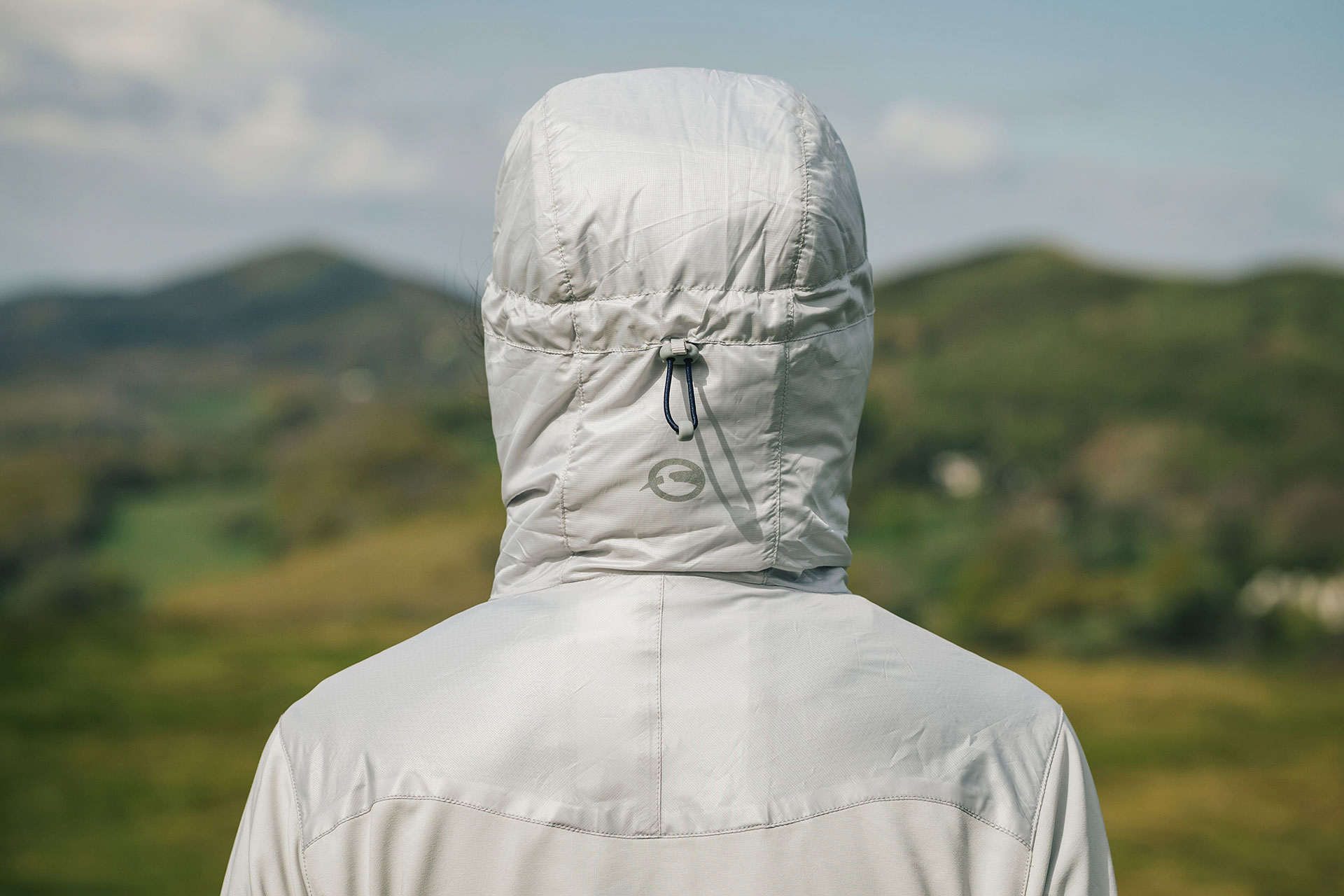
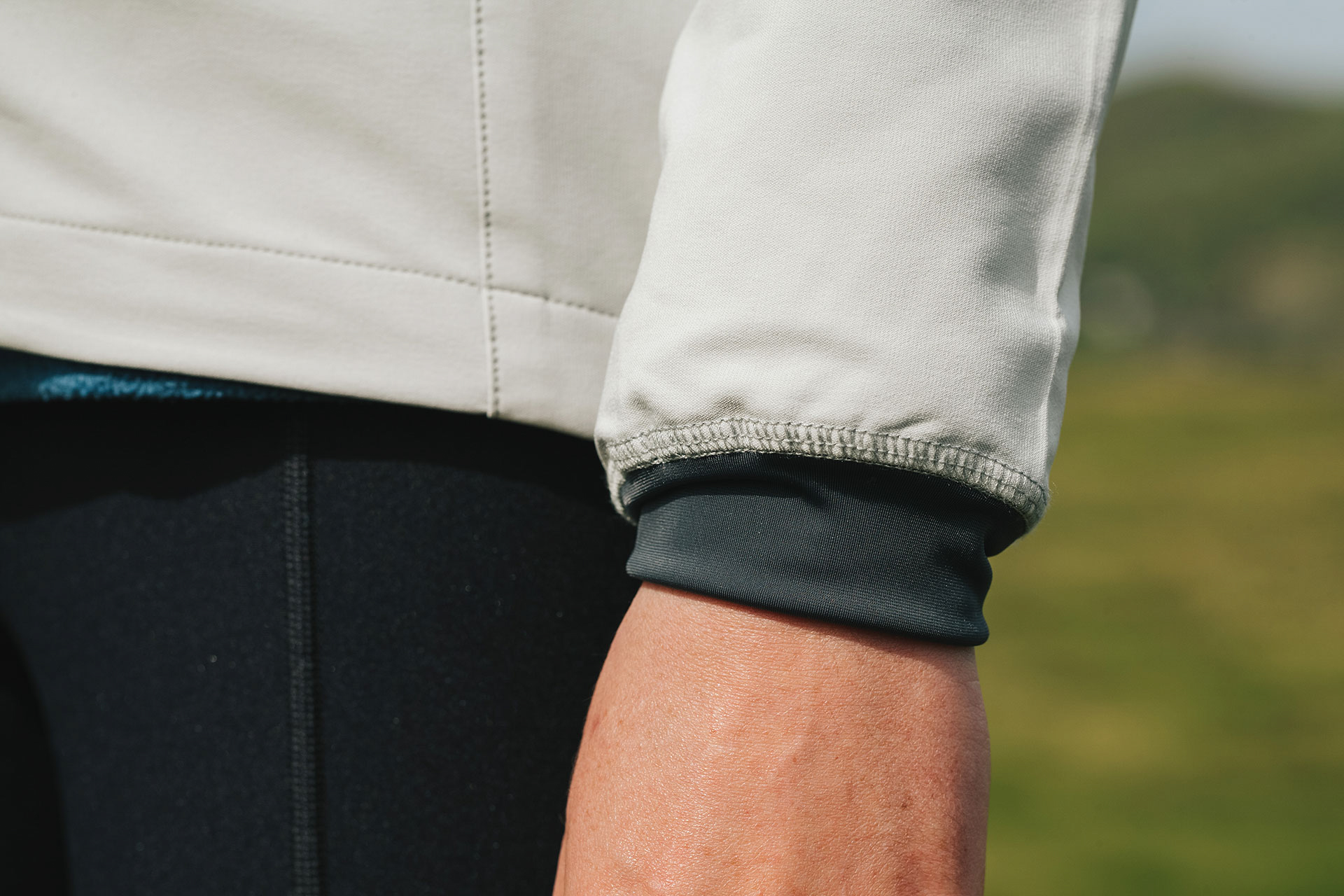
to tell, but we have a Gore Test Team jacket which uses XCR fabric
with the insulated, softshell panels in the shoulder area and we'll
be reporting back once we've used it in typical British mountain
conditions.
What we would say, is that most of the comfort mapping concept
seems to be about adding insulation in strategic areas rather than
increasing breathability in others, so if you already find Gore-Tex
fabrics aren't breathable enough for you, the same's likely to be
true of the Comfort Mapping Concept.
If that's less of an issue and, instead, you feel you tend to get
cold wearing shell clothing in the wet - not surprising since water
conducts heat 23 times better than air - then Comfort Mapping may
work for you.
When's It In The Shops?
Comfort Mapping is due out this autumn / winter 2006 which means
you'll find it in the shops from late summer onwards. Brands
available in the UK using the technology include Berghaus, Sprayway,
Lowe Alpine, MHW, Nike, TNF and Marmot.
More Gore-Tex information from
www.gore-tex.co.uk