 |
|  |  |
 | | Stormy Afternoon at Lake Song Kol | | by Hamish Fenton |
|  |  |
|  |
|  |
| BUYERS GUIDES |
14 / 01 / 01 |
Boot Basics | | Buyers guides in association with |  |
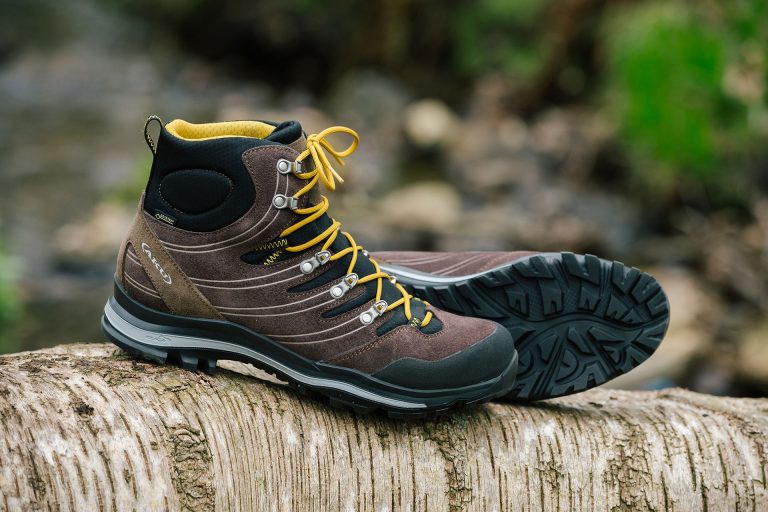
|  | Buy a poorly fitting pair of walking boots and you'll regret it
and so will anyone you happen to go hiking with - it's worth taking
the time and making the effort to find a pair that fit your feet and
match up to your needs even if it means spending slightly more than
you'd want. With bad boot choice, the bottom line is misery.
The tests you'll read here on OUTDOORSmagic - see the links at the
bottom of the page - and elsewhere are a start, but boots are so
personal that you really need to try loads on. The best-made boot in
the world is useless if it's the wrong shape for your foot.
Your best ally is an experienced boot fitter at a good outdoor
retailer with a wide range of makes and styles. The best shops will
let you buy a boot and try it on at home - inside your home that is -
then exchange it if you're not happy.
|
Lasts Different boot makers use
different 'lasts', basically a model of a foot, to build
their boots. Some are wide, some are narrow, some are high
volume, others are flatter. They are all different. The
'average' British foot is broadish and medium volume, but
your's may not be. What you're looking for is the best fit
for your foot - not ours and not Mr or Miss Average, but
yours. A few makes, including Scarpa, offer different width
fittings in certain boots.
|
|
Fit Try boots on in the afternoon
as your feet swell during the day, a good basic start is
that you should be able to insert one finger down the back,
behind your heel before you lace the boot up. Once the laces
are tightened, walk around and feel for tight spots where
the boot is pressing on your foot, these will cause
blisters. Good shops will have a small ramp - use it to make
sure your toes don't hit the end of the boot when walking
downhill. Wear the socks you normally walk in (but do wash
them first)
|
|
Heels The other area to check is
the heel. If your foot lifts when walking up hill,
eventually you'll blister there, so you need to look for a
boot with a narrower or more defined heel cup that holds
your foot more firmly in place. Sometimes volume adjusters -
flat supplementary insoles - can lift your heel to a higher,
narrower part of the boot and cure the problem that
way.
|
|
Women's Boots Women tend to have
smaller feet, narrower heels, lower ankles and a lower foot
volume, so it's worth seeking out female specific boots.
Failing that check out low volume men's models. Again, the
golden rule is that fit trumps everything else - don't be
seduced by smart looks if they don't fit, and that goes for
you too boys...
|
|
Padding no-one says this in the
magazines, but virtually all the most comfortable boots
we've tried have well-formed internal padding that literally
cossets your foot - check out Meindl for a good example - it
won't compensate for poor fit, but it's worth looking for if
extra luxury is important to you.
|
|
Linings Many boots now have
wicking linings which absorb moisture from leakage and
perspiration and help to keep your feet dry and comfortable,
Cambrelle is the best known of the materials used and it
works. While testing the Scarpa SL we inadvertently stood in
a stream and collected a boot-full of water - an hour later,
the interior was damp, but not slopping.
|
|
Insoles Standard boot insoles are
pretty basic and provide little support. We've found that
the aftermarket items from the likes of Superfeet and
Conformable are a major improvement, particularly if you
have a specific foot weakness. In extreme cases the extra
support and proper foot posture may even mean you can use a
smaller-sized boot. Strange but true.
|
|
Stiffness Boot rigidity comes from
the mid-sole which is usually Nylon. Walking boots should
give a reasonable degree of longitudinal flex and be stiff
enough laterally for stability on rough ground. If you're
after a winter boot, it'll be stiffer to cope with crampon
use and kicking steps, but our preference is for the
lightest boot you can get away with that still provides
reasonable lateral support. Check by trying to bend and
twist the boot in different directions but remember that the
mid-sole will soften slightly with use.
|
|
Leather or Fabric? Most so-called
fabric boots will still incorporate a fair amount of
leather, usually suede of some sort, but will, on average,
be lighter than an equivalent leather boot, though there are
exceptions. Most mountain boots are made from dead cows for
robustness either then normal way round (normal leather) or
reversed (nubuck-type leather) though for anything below the
snowline, fabrics make a lot of sense.
|
|
Waterproof Linings Great in cold
conditions where they'll stop water seeping in, not so
clever when it gets hot and your feet starting making with
the perspiration, get damp, soft and start to blister.
Leather boots without a waterproof lining are a good
compromise for all condition use, unlined fabric boots work
well in consistently hot conditions. Neebee produce a boot
called the Sahara specially for these.
|
|
Lace Systems The best allow you to
adjust the tension of the main foot and cuff section
independently by locking off the lace at the ankle with a
cunning lace hook widget, however you can use a surgeon's
knot to create the same effect. Smooth flowing hooks make
lacing easier and snugger.
|
|
Outsoles Vibrams used to be the
thing, but though they are still good, so are the
alternatives and you'd be hard pushed to find a sole which
does the old skates on ice act these days. For a specialist
scrambling boot you might want to look at sticky rubber, but
otherwise decent defined grips and a squared-off heel should
see you fine.
|
|
Crampon Compatibility Check out
the compatibility guidelines at the Scarpa
web site, but the golden rule is
that for sustained crampon use, the stiffer the sole, the
better. That's not to say you can't use crampons on less
rigid boots, you can, but if winter use is a major priority,
err on the side of rigidity as the actress... but no, let's
not go there.
|
|
If You Remember One Thing The best
boot in the world is absolutely useless to you if it doesn't
match your needs and foot shape, in fact it's worse than
useless, it'll spoil your feet and give you blisters that'll
make your life a misery. Fit is everything.
|
|
Buyers guides in association with 
|
| | Want to send this article to a friend? Please join here | | |
| | Discuss this article, 1 of 3 messages, read more: | Michael Green |   |
| Posted: 20/09/07 21:27:45 45 | | This section is more than informati and gives a good insight to buying a pair of boots |
|  | Read member reviews:
|  | Related articles:
|  |
 |  |
|  |